








By Sumit Khanna and Sudipto Ganguly
AHMEDABAD, India (Reuters) – Early warnings, accurate identification of vulnerable areas and timely evacuations helped India to avert major casualties from cyclone Biparjoy, which battered the west coast late on Thursday, authorities said.
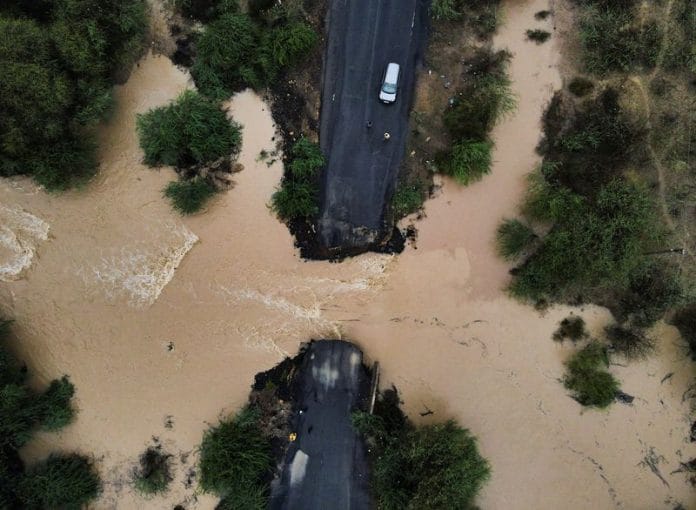
Biparjoy, which means ‘calamity’ in the Bengali language, hit the state of Gujarat with speeds of up to 125 kph (78 mph), blowing roofs off houses and uprooting trees and electricity poles.
Yet the only deaths recorded were those of two shepherds who died while trying to prevent their cattle being swept away during heavy rains and floods, hours before the cyclone made landfall.
In 1998, a major storm in Gujarat caused around 4,000 deaths, according to local media, while in 2001, close to 100 people died when an ‘extremely severe cyclone’ named Tauktae hit the state.
“Early identification of areas that were likely to be impacted by the cyclone and timely evacuation of people living within 10 km of the coasts are the biggest reasons (for the low casualties),” said Kamal Dayani, a senior official in the Gujarat state government.
“Our focus from the beginning was on preventing loss of lives, not just human lives but even animals.”
More than 100,000 people were evacuated from eight coastal districts and moved to shelters set up in school auditoriums and other government buildings a day before the cyclone struck.
Authorities also suspended fishing, shut schools and closed beaches. Many offshore oil installations and major ports that dot the Gujarat coast suspended operations days earlier.
In addition, 30 teams of national and state disaster responders were deployed.
The storm hitting the sparsely populated parts of the desert district of Kutch also helped, Dayani said, along with early warnings from the India Meteorological Department (IMD).
While the death toll was low, more than 5,100 electricity poles were toppled and power supply was disrupted in over 4,600 villages.
“We will study what we have done right and also identify the areas we can do better in the future,” Dayani said. “Right now, our focus is on relief and rehabilitation efforts and restoring normalcy.”
(Reporting by Sumit Khanna in Ahmedabad and Sudipto Ganguly in Mumbai; Editing by Kevin Liffey)
Disclaimer: This report is auto generated from the Reuters news service. ThePrint holds no responsibilty for its content.