








New Delhi: India Thursday acknowledged that the sourcing of liquified petroleum gas (LPG) is a “matter of concern”, hours after both Israel and Iran struck energy infrastructure across West Asia, marking a significant escalation in the war.
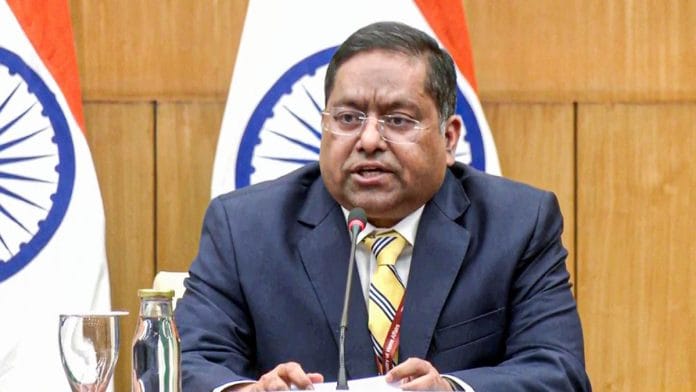
“Energy supply has been a concern. Here in India, LPG is a matter of concern. We are prioritising domestic consumers first and then we will see how we supply LPG to commercial establishments. We are working to secure our energy needs,” Randhir Jaiswal, the official spokesperson for the Ministry of External Affairs said at a regular press briefing.
Jaiswal further said that India is looking at various sources for the supply of LPG and LNG, including Russia, as the conflict in West Asia drags on for almost 3 weeks now. India has maintained so far that there are “challenges” in supply, across the multiple inter-ministerial press briefings with regards to sourcing of energy goods, in particular both LPG and LNG.
Reports indicate that the demand for LPG cylinders touched 56 lakh Wednesday, while the supply almost matched the same, hitting 55 lakh.. However, Jaiswal’s statement indicates that the latest round of strikes on energy infrastructure in West Asia is posing further challenges to India’s sourcing capabilities.
Israel struck the South Pars natural gas field in Iran Wednesday. The South Pars facility is Iran’s largest for manufacturing of natural gas. In retaliation Iran informed the countries in the region to evacuate their staff from energy manufacturing sites, and eventually hit Qatar’s Ras Laffan site. The United Arab Emirates also announced that its Habshan field had come under Iranian attack late Wednesday evening.
US President Donald Trump late Wednesday distanced the American government from Tel Aviv’s strike, saying that they knew nothing about it, and called on Iran to stop further targeting of energy infrastructure in the region.
India called for a stop to the targeting of energy infrastructure in the region, marking a significant shift in its position, though Jaiswal’s statement Thursday did not name any one country.
India sources a large amount of its energy needs from West Asia, which has since been impacted due to the war. It has seen an uptick in purchases of crude from Russia in the last fortnight, while it is willing to purchase LPG and LNG from as many countries as possible to paper over any shortages.
Commercial entities including restaurants around the country have started cutting down usage of LPG amid supply to domestic consumers being prioritised.
Jaiswal said that the arrival of two ships to Indian ports laden with LPG will help ease some of the supply challenges. The ships were allowed to travel through the Strait of Hormuz earlier this week, following hectic negotiations between India and Iran.
Tehran has maintained that the Hormuz will remain closed for the duration of the conflict, further impacting the flow of energy. The Strait accounts for roughly a quarter of the world’s supply of energy resources.
Prices of energy goods have seen a spike since the war began. The Brent futures benchmark for crude oil has increased by almost 50 percent in the last fortnight, briefly touching $112 a barrel Thursday morning, following the Israel and Iran attacks late Wednesday evening. The benchmark price has since fallen minimally, but is still trading higher than the previous day.
Israel’s strikes on Iranian energy infrastructure have faced some pushback within the US. Tel Aviv had earlier struck oil fields surrounding Tehran that had faced criticism from the US.
(Edited by Gitanjali Das)
Also Read: India’s LPG inflow from Gulf isn’t easing anytime soon. Logistical hurdles stand in the way