




Thank you dear subscribers, we are overwhelmed with your response.
Your Turn is a unique section from ThePrint featuring points of view from its subscribers. If you are a subscriber, have a point of view, please send it to us. If not, do subscribe here: https://theprint.in/subscribe/
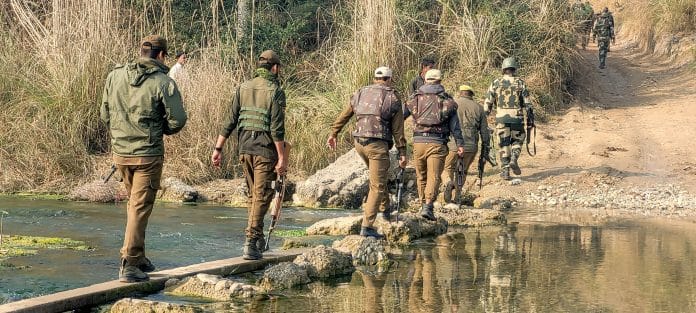
India’s border villages are often seen only through a security lens. They lie in remote mountains, along icy rivers, or near thick forests where the line between two nations runs quietly across ridges and valleys. For decades, many of these villages have struggled with poor roads, weak mobile networks, limited schools and basic health facilities. As young people moved to towns in search of work, several border settlements slowly emptied out. The Vibrant Villages Programme–II offers an opportunity to change that story.
The first phase of the Vibrant Villages Programme focused on selected villages along the northern borders, especially in areas facing China. The goal was simple but important: improve infrastructure and services so that people choose to stay, build livelihoods and remain connected to the rest of the country. The second phase now aims to widen this effort and deepen its impact. This is not just a development scheme. It is also a strategic policy rooted in the idea that strong borders need strong communities.
Border residents are India’s first sentinels. When villages thrive, they act as natural watchposts. When they decline, it creates both economic hardship and security gaps. Vibrant Villages Programme–II must therefore focus on long-term, sustainable development rather than short-term construction targets. Roads are important, but so are reliable electricity, clean drinking water, internet connectivity and access to markets. A border village should not feel cut off from the rest of India.
The programme rightly emphasises connectivity. All-weather roads, mobile towers and digital services can transform daily life. Students can attend online classes. Farmers can check market prices. Telemedicine can connect patients to doctors in district hospitals. But infrastructure alone will not be enough. Livelihood support is equally important. Border regions often have unique strengths, tourism, handicrafts, medicinal plants, horticulture and traditional knowledge. If the programme helps build value chains and market access, it can create stable incomes that discourage migration.
Education and healthcare must be central to this phase. Many border villages struggle to attract teachers and doctors due to harsh conditions. Incentives, local recruitment and digital support systems can help fill this gap. If young families feel confident about their children’s future, they are more likely to stay. A village becomes vibrant not just when buildings rise, but when schools function and health centres are trusted.
There is also a cultural dimension. Border communities carry rich traditions and languages. Festivals, crafts and local history are part of India’s diversity. Supporting cultural centres, local tourism and heritage documentation can build pride and identity. When people feel valued, they feel connected. This emotional bond is as important as physical infrastructure.
At the same time, the implementation must be careful and transparent. Funds should reach the ground quickly and be monitored properly. Coordination between central ministries, state governments and local bodies is key. Panchayats must play a real role in planning and monitoring projects. Development cannot be imposed from above; it must grow from local needs and voices.
Environmental sensitivity is another concern. Many border areas lie in fragile mountain ecosystems. Construction must respect local geography. Landslides, floods and climate change risks are real. Sustainable building practices and disaster preparedness should be part of the planning process.
Vibrant Villages Programme–II is a reminder that national security and human development are deeply linked. A road built in a remote village is not just a road; it is a sign that the State cares. A school reopened in a border hamlet is not just an institution; it is a promise of continuity.
India’s border villages should not be seen as the last outposts of the country. They should be seen as its front doors. If Vibrant Villages Programme–II can turn remote settlements into thriving communities with dignity, opportunity and pride, it will strengthen both the lives of citizens and the security of the nation.
By:
Siddharth Roy
Civil Engineer, Writer and Columnist
These pieces are being published as they have been received – they have not been edited/fact-checked by ThePrint.