




Thank you dear subscribers, we are overwhelmed with your response.
Your Turn is a unique section from ThePrint featuring points of view from its subscribers. If you are a subscriber, have a point of view, please send it to us. If not, do subscribe here: https://theprint.in/subscribe/
Let’s puncture the melodrama first.
China is not plotting a midnight ambush on the dollar. There is no financial mushroom cloud rising over Wall Street. The U.S. Treasury market is not about to implode because Beijing sold a few bonds.
What is collapsing—quietly, steadily, and dangerously—is something far more valuable than markets: credibility.
For half a century, the United States has enjoyed a privilege unmatched in human history—the ability to live beyond its means, fight wars without paying for them, consume without producing proportionately, and print money without immediate consequence. After severing the dollar from gold in 1971, Washington discovered a miracle loophole: deficits no longer mattered because the world would fund them. Dollars went out. Treasury bonds came back. Discipline was outsourced. Inflation was exported. Responsibility became optional.
This arrangement endured not because America was morally superior, but because it was perceived as stable, predictable, and restrained.
That restraint is now gone.
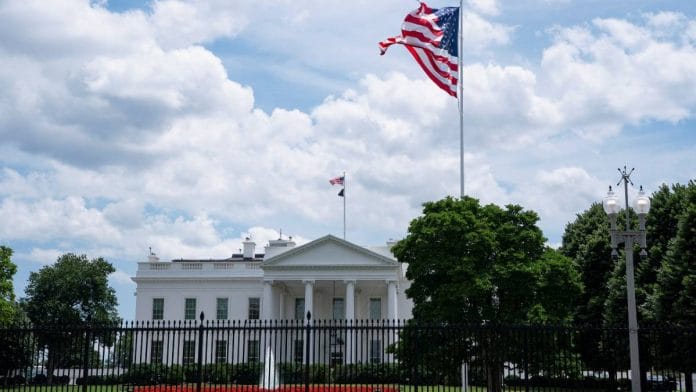
When Washington froze Russia’s foreign exchange reserves in 2022, it did something extraordinary—and extraordinarily stupid. Central bank reserves, once treated as neutral assets, were openly weaponised. The message was unmistakable: your savings are safe only as long as you remain politically compliant.
This was not justice. It was intimidation wrapped in legal language.
And it sent a chill through every reserve manager on the planet.
China did not rage. It did not retaliate theatrically. It did what rational actors do when rules are broken by the rule-maker: it hedged. It reduced exposure. It bought gold. It diversified settlement channels. That is not rebellion. That is common sense.
Anyone who thinks this is about “toppling the dollar” is missing the point entirely.
The dollar is not collapsing because alternatives are strong. It is being questioned because American behaviour has become reckless.
The United States now runs trillion-dollar deficits in peacetime as if they were a lifestyle choice. It prints money as though inflation were an academic concept rather than a tax on the poor. It funds wars entirely on borrowed money while sermonising to the world about fiscal virtue. This is not leadership. It is entitlement masquerading as inevitability.
Empires that believe the bill never comes always end up shocked when it does.
There is a staggering arrogance in Washington’s assumption that the world has no choice but to keep financing American excess. That Treasuries will always be absorbed. That deficits don’t matter. That wars can be fought without sacrifice. That sanctions can be imposed without consequences.
This is how trust dies—not with a bang, but with contempt.
The fashionable term is “de-dollarization,” but that is lazy analysis. What we are witnessing is de-romanticisation. The dollar is being stripped of its moral halo and treated as what it increasingly resembles: a political instrument first, a neutral reserve second.
Yes, the dollar still dominates trade.
Yes, U.S. markets remain the deepest in the world.
Yes, there is no immediate replacement.
That is precisely why Washington’s behaviour is so reckless.
Privilege is not a birthright. It is a lease—renewable only if the landlord behaves responsibly.
History offers no mercy to powers that mistake dominance for permanence. The British pound did not collapse in a single year. It eroded as confidence drained away, one misjudgement at a time. Rome did not fall because barbarians knocked at the gate. It fell because discipline rotted from within.
America’s real threat is not China selling bonds. It is a world slowly concluding that American debt is no longer a neutral asset, but a geopolitical leash.
And no sovereign nation—however friendly—likes wearing a leash.
Funding wars on debt, lecturing others on democracy while monetising deficits, and weaponising the financial system without restraint is not strength. It is hubris.
The dollar does not need cheerleaders. It needs custodians.
If the United States wants the world to keep funding its lifestyle, it must rediscover an unfashionable concept: restraint. Less moral grandstanding. Fewer forever wars. Fiscal seriousness. And an understanding that power abused is power surrendered—slowly, then suddenly.
Empires do not fall when others rise.
They fall when arrogance replaces judgment.
The world is not plotting America’s downfall.
It is simply preparing for the day Washington stops deserving blind trust.
And that, more than any Chinese bond sale, should terrify the custodians of the dollar.
These pieces are being published as they have been received – they have not been edited/fact-checked by ThePrint.