




Thank you dear subscribers, we are overwhelmed with your response.
Your Turn is a unique section from ThePrint featuring points of view from its subscribers. If you are a subscriber, have a point of view, please send it to us. If not, do subscribe here: https://theprint.in/subscribe/
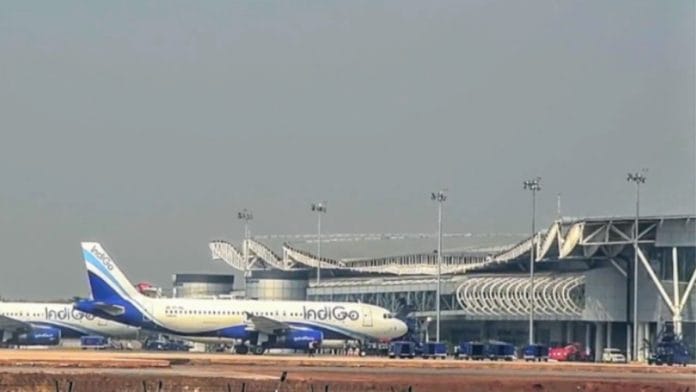
India loves selective outrage. We scream “monopoly!” only when it delays our flight, cancels our holiday, or forces us to pay ₹28,000 for a ticket that cost ₹6,000 last week. At the airport, suddenly everyone becomes Adam Smith. But step outside the terminal, and the same people quietly submit to monopolies and duopolies that control what truly runs modern life—telecom, electricity, fuel, banking, payments, insurance, railways and water—without protest, scrutiny or embarrassment. Aviation didn’t invent monopoly in India. It merely exposed it, inconveniently and in full public view.
That discomfort explains the obsession with airlines. Flight chaos is visible, personal and immediate. But this narrow focus allows a far more dangerous truth to escape scrutiny: India’s essential services are being concentrated into fewer hands, while regulators practise institutional cowardice dressed up as stability.
Start with telecom—the most consequential duopoly of them all. Let’s discard the fairy tales. Jio and Airtel didn’t democratise data out of patriotic affection; they bled the market white until competitors collapsed. Today, over 80% of India’s mobile users are trapped between two networks.
Tariff hikes now arrive with the subtlety of a pickpocket—small, quiet, simultaneous. This isn’t competition; it’s choreography. Two private boardrooms decide what a billion Indians pay for data, how fast networks expand, how resilient they are, and how sharply prices will rise once dependence becomes irreversible.
Markets don’t always need backroom deals; sometimes a shared worldview—polished over Davos coffee rather than a clandestine tête-à-tête—is enough to produce identical outcomes.
TRAI mutters about “market stability,” but stability without competition is simply capture wearing a polite smile.
Telecom is only the headline act. Banking tells a more dangerous story—because here the losses don’t cancel subscriptions; they cancel national balance sheets. Public sector banks dominate credit and insist they are commercial—until the cycle turns. Profits are celebrated as managerial genius; losses are socialised without apology. Risk discipline bends easily under political pressure. And hovering quietly above this ecosystem is the Reserve Bank of India, a regulator revered for monetary caution but conspicuously indulgent when banking concentration and governance failures recur.
The RBI lectures endlessly on stability, yet presides over a system where bad loans quietly metastasise until taxpayers are drafted as guarantors of last resort. Prudence is enforced on borrowers; accountability is optional for lenders.
Now add insurance—India’s most under-examined oligopoly. Life insurance remains dominated by a public-sector colossus sitting on a mountain of sinful profits, while general insurance is split between state insurers and a handful of private players selling complexity disguised as choice. Policies are opaque, exclusions are buried in fine print, claim rejections are routine, and grievance redressal is glacial. Citizens are pushed into mandatory insurance—health, motor, crop—yet stand alone when claims are delayed or denied. And what does IRDAI, the insurance regulator, do? It issues circulars, hosts conferences, and calls this “consumer protection.” In reality, IRDAI has perfected the art of regulating paper while policyholders fight insurers in courtrooms and ombudsmen’s offices for years.
Layer digital payments onto this landscape, and fragility multiplies. India runs daily commerce on a single payment rail, with most UPI transactions funnelled through two dominant apps. One outage, and kirana stores, gig workers and daily wage earners stall simultaneously. Centralisation is marketed as efficiency—until it fails spectacularly.
Electricity distribution is a monopoly theatre at its crudest. Your supplier is determined by geography – your PIN code. not performance. State utilities bleed money, tariffs double as political messaging, and industry cross-subsidises households. Power cuts, billing errors and losses are normalised as fate. Choice is absent; accountability is decorative.
Urban water supply shows monopoly decay at the civic level. One provider, chronic leakage, erratic supply, political pricing—and then silent outsourcing to tankers owned by netas!
So return to aviation and ask the harder question: why do regulators hesitate when rules are broken? Because India has perfected the art of creating entities too big to discipline. Once concentration sets in, regulation becomes negotiation. Enforcement yields to convenience. “Public interest” becomes the fig leaf covering regulatory surrender.
Here is the truth no one wants to say aloud: India prefers monopolies. Politicians prefer dealing with two giants instead of twenty competitors. Regulators prefer “manageable players.” Corporates prefer predictable dominance. Even consumers like cheap prices—until dependence turns into captivity.
This is not an airline crisis.
It is a regulatory spine crisis.
Until enforcement replaces appeasement across TRAI, RBI, DGCA and IRDAI, Digital India will stagger on two SIM cards, airlines will dodge safety rules, insurers will specialise in rejection letters, and banks will sleep easy knowing the taxpayer stands permanently on standby.
Aviation didn’t break India. It ripped the mask off our rot!
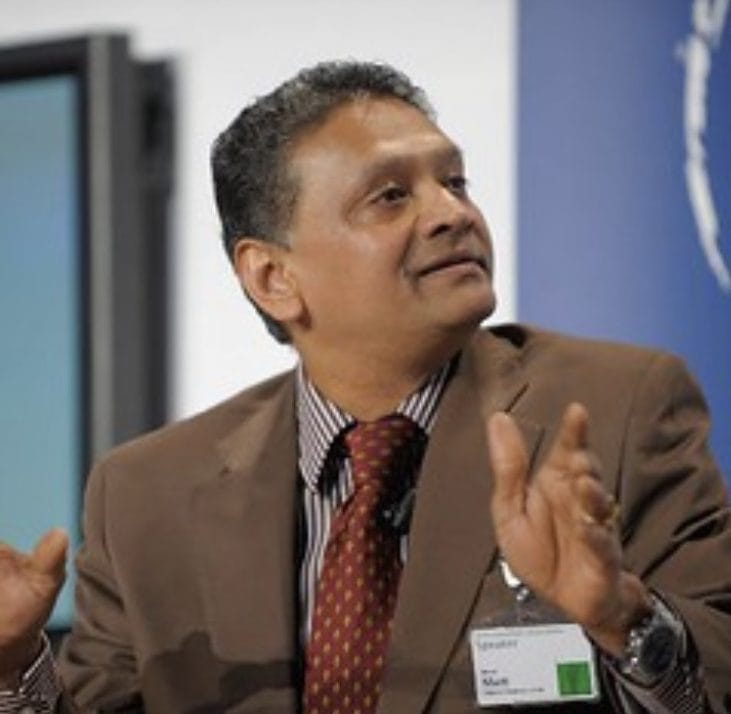
Mohan Murti, FICA
Advocate & International Industry Arbitrator
Firmer Managing Director-Europe
Reliance Industries Ltd. Germany
These pieces are being published as they have been received – they have not been edited/fact-checked by ThePrint.