








By Khanh Vu and Phuong Nguyen
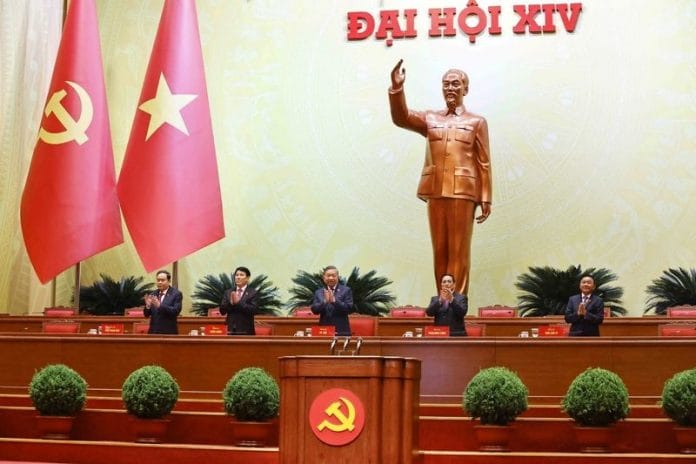
HANOI, Jan 20 (Reuters) – Vietnam’s top leader To Lam pledged annual economic growth of more than 10% for the remainder of the decade despite global disruptions, as he addressed delegates at the Communist Party congress on Tuesday.
The week-long event, which started on Monday in Hanoi, will select the party chief, the country’s most powerful position, and set economic goals up to 2030.
The congress is taking place amid “many overlapping difficulties and challenges, from natural disasters, storms and floods to epidemics, security risks, fierce strategic competition, and major disruptions in energy and food supply chains,” Lam told delegates at the start of his speech.
The former head of state security, who is seeking to retain his role as party chief and possibly take on the state presidency, promised to further reform the public administration after he launched the bureacracy’s most significant overhaul in decades during his brief tenure as party chief.
A party document submitted to the congress and reviewed by Reuters set the annual growth goal at no less than 10% until 2030, above a missed target of 6.5%-7.0% for the first half of the decade.
LAM WANTS LESS RED TAPE, MORE INFRASTRUCTURE
Lam, 68, said Vietnam was also determined to cut red tape and expand global trade to ensure the country’s independence and national interests were protected.
The 20% tariffs imposed on Vietnam in August by the Trump administration have not prevented Vietnamese exports to the United States from growing, leading to a record trade surplus with Washington.
However, the country is seeking to boost trade ties with other partners, with the impact of U.S. duties likely to be felt over the coming months.
Lam promised to continue the fight against corruption, although during his tenure the anti-bribe drive launched by his late predecessor Nguyen Phu Trong has abated, as Lam sought to speed up project approvals to boost growth.
“Infrastructure must be developed to adapt to climate change and ensure strong regional, inter‑regional, and global connectivity,” Lam also said.
He has presided over a splurge in infrastructure projects, which has supported economic growth, but has also raised concerns about favouritism and waste.
(Reporting by Khanh Vu and Phuong Nguyen; Writing by Francesco Guarascio; Editing by Martin Petty)
Disclaimer: This report is auto generated from the Reuters news service. ThePrint holds no responsibility for its content.