








By Nika Khutsieva
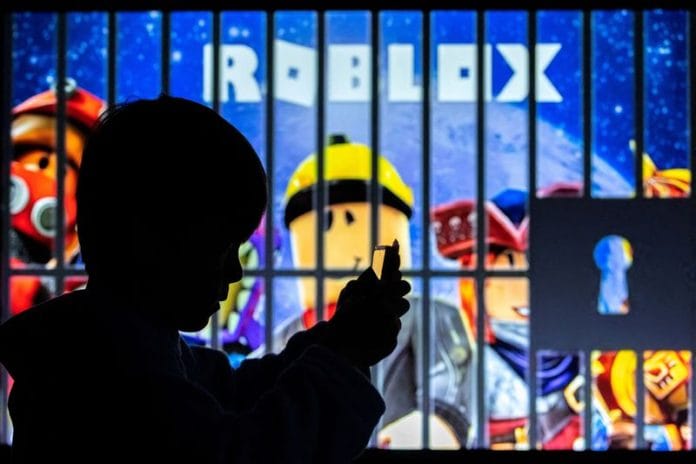
MOSCOW, Dec 18 (Reuters) – A Russian ban on U.S. gaming platform Roblox has fuelled debate among some children and parents about censorship and the utility of bans in a world where children can bypass limits with a few clicks.
Russia’s communications watchdog Roskomnadzor said on December 3 it had blocked access to Roblox because it was “rife with inappropriate content”, spread extremist and LGBT propaganda and was popular with paedophiles.
In wartime Russia, censorship is extensive and Moscow blocks or restricts social media platforms such as Snapchat, Facebook, Instagram, WhatsApp and YouTube while presenting its own narrative through social media and Russian media.
But the ban on Roblox has hit a nerve, leading to a small rally in the Siberian city of Tomsk at which protesters held banners reading “Hands off Roblox” and “Roblox is the victim of the digital Iron Curtain”.
A Roblox spokesperson said in an emailed comment to Reuters that the company was ready “to temporarily limit communication features in Russia and to revise our content moderation processes to address the legal requirements necessary to restore our community’s access to the platform.”
“Roblox intends to continue dialogue with Roskomnadzor as access to the platform is restored, including discussions around additional compliance measures that may be considered over time,” the spokesperson said.
Roblox says on its website that it provides “rigorous built-in protections to help keep users safe” and seeks to “create a secure, age-appropriate environment for every user.”
‘A WINDOW ON A WORLD OF GAMES’
Russian officials, at odds with the West over the war in Ukraine, say censorship is needed to defend against a Western “information war” and what they cast as decadent Western culture that undermines “traditional” Russian values.
For many young Russians, Roblox was a window onto a vast world of games and potential friends around the globe. The Kremlin, without providing details, says it has received correspondence about the Roblox ban from many young people.
“I don’t consider it’s worth blocking Roblox,” 14-year-old Polina Gerina told Reuters in Moscow. “It was so much fun.”
Her sisters, 11-year-old Darya and seven-year-old Yekaterina, also said they played on the Roblox platform.
“I think children will still find a way around,” Darya Gerina said. “There have been blocks on other apps, and we have found a way around to use them, so I think children will find a way around and continue playing.”
Many Russians use VPNs (Virtual Private Networks) to get around digital censorship. Hundreds of VPNs have been banned this year but new ones appear, prompting some young Russians to ask why authorities ban apps or sites that can be easily accessed, and why there are few Russian alternatives to them.
CONCERNS OVER ‘CIRCUMVENTION OF BLOCKAGES’
Some proponents of tough limits on what can be accessed by children also have concerns about both the security of VPNs and the impact of widespread circumvention of state rules.
“How many children have downloaded a three-letter app (geocoding system) in the last few days after the game was banned?” asked Yekaterina Mizulina, director of the Safe Internet League censorship organisation.
Mizulina, who has had sanctions imposed on her by the European Union for enforcing Russian censorship, said some young people wanted to leave Russia because of the Roblox ban.
She said “the mass circumvention of blockages also forms a generally dismissive attitude towards government decisions.”
Maria Gerina, whose three daughters played on the Roblox platform, said she did not back a ban but would like assurances over the monitoring of apps for inappropriate content and contacts, and that there should be alternatives.
“If it will be controlled somehow and people will follow what is going on specially, then I would feel calmer as a mother when my children are playing,” she said.
“But I do not think a full ban will resolve the problem – if there is no Roblox, then there will be something else.”
(Writing by Guy Faulconbridge, Editing by Timothy Heritage)
Disclaimer: This report is auto generated from the Reuters news service. ThePrint holds no responsibility for its content.