








Feb 23 (Reuters) – Nearly 2,200 people have been released from Venezuelan jails or had other legal restrictions withdrawn since the start of a new amnesty law, ruling party lawmaker Jorge Arreaza said on Monday.
The law, passed last week, was critiqued by human rights organizations which say it falls short of offering relief for hundreds of political prisoners. It provides amnesty for involvement in political protests and “violent actions” during specific months between 2002 and 2025, but does not detail the exact crimes eligible for amnesty.
Though the government has always denied holding political prisoners and says those jailed have committed crimes, Interim President Delcy Rodriguez, who took power last month after the U.S. ouster of President Nicolas Maduro, had already released hundreds of people who rights groups class as political prisoners prior to the passage of the law. The effort is seen as part of a package of deals key to normalizing relations with the U.S.
“Today we can say that thanks to the law 177 releases have taken place and 2,021 people who were under presentation restrictions have been given full liberations,” said Arreaza, the president of the legislative commission set up to monitor the implementation of the law, which came into effect on Friday.
People released from jail in Venezuela can be held on house arrest or required to regularly report to police or courts for a specific period.
More than 3,000 requests have been made by attorneys and others on behalf of prisoners who want to benefit from the law, Arreaza added.
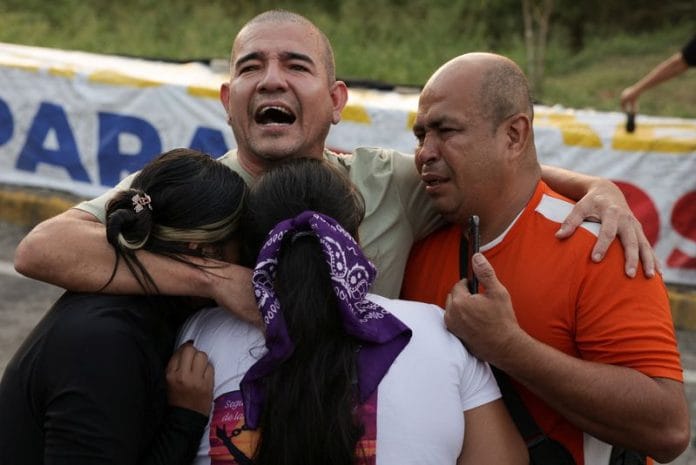
Meanwhile, Alfredo Romero, the director of legal rights groups Foro Penal, said more than 30 people had been released from the Rodeo detention center near Caracas on Monday, joining others released from various facilities over the weekend.
Foro Penal said on Sunday more than 460 people have been freed since January 8, a count not including those released from prison but given house arrest or other restrictive measures.
(Reporting by Reuters)
Disclaimer: This report is auto generated from the Reuters news service. ThePrint holds no responsibility for its content.