








By Jonathan Saul, Marianna Parraga and Matt Spetalnick
HOUSTON/LONDON/WASHINGTON, Dec 11 (Reuters) – The U.S. is preparing to intercept more ships transporting Venezuelan oil following the seizure of a tanker this week, as it increases pressure on Venezuelan President Nicolas Maduro, six sources familiar with the matter said on Thursday.
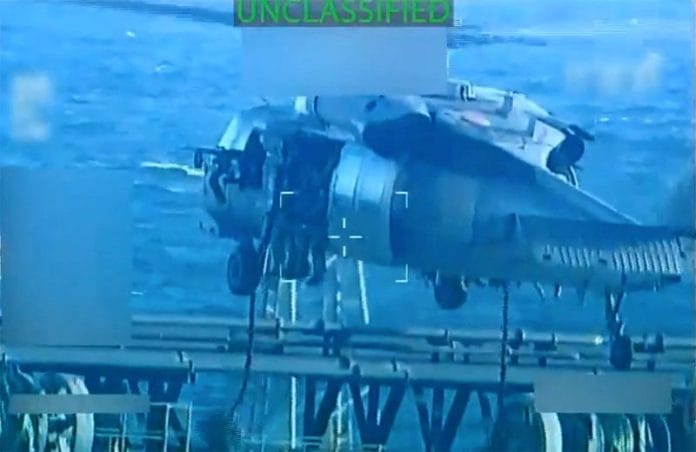
The seizure was the first interdiction of an oil cargo or tanker from Venezuela, which has been under U.S. sanctions since 2019. The action came as the U.S. executes a large-scale military buildup in the southern Caribbean and as U.S. President Donald Trump campaigns for Maduro’s ouster.
The seizure has put shipowners, operators and maritime agencies involved in transporting Venezuelan crude on alert, with many reconsidering whether to sail from Venezuelan waters in the coming days as planned, shipping sources said.
Further direct interventions by the U.S. are expected in the coming weeks targeting ships carrying Venezuelan oil that may also have transported oil from other countries targeted by U.S. sanctions, such as Iran, according to the sources familiar with the matter who declined to be named due to the sensitivity of the issue.
U.S. ASSEMBLES TANKER TARGET LIST: SOURCE
Venezuela’s state oil company PDVSA did not reply to a request for comment. Venezuela’s government this week said the U.S. seizure constituted a “theft.”
Asked whether the Trump administration planned further ship seizures, White House spokeswoman Karoline Leavitt told reporters she would not speak about future actions but said the U.S. would continue executing the president’s sanctions policies. “We’re not going to stand by and watch sanctioned vessels sail the seas with black market oil, the proceeds of which will fuel narcoterrorism of rogue and illegitimate regimes around the world,” she said.
The U.S. has assembled a target list of several more sanctioned tankers for possible seizure, according to one of the people familiar with the matter.
The U.S. Justice Department and Homeland Security had been planning the seizures for months, according to two of the people.
A reduction or halt in Venezuelan oil exports, the main generator of revenue for the Venezuelan government, would strain the Maduro government’s finances.
The new U.S. approach focuses on the activities of what is called the shadow fleet of tankers that transports sanctioned oil to China, the largest buyer of crude from Venezuela and Iran. A single vessel will often make separate runs on behalf of Iran, Venezuela and Russia, the sources added.
The seizure of the tanker, carrying the name Skipper, caused at least one shipper to temporarily suspend the voyages of three freshly loaded shipments totaling almost 6 million barrels of Venezuela’s flagship export grade, Merey, sources said.
“The cargoes were just loaded and were about to start sailing to Asia,” said a trading executive involved in dealing and shipping Venezuelan oil. “Now the voyages are cancelled and tankers are waiting off the Venezuelan coast as it’s safer to do that.”
SURVEILLANCE OF TARGETS
U.S. forces were monitoring tankers at sea and some vessels in Venezuelan ports, either being repaired or loaded, and waiting for them to sail into international waters before taking action, one of the sources said.
In the runup to the seizure of Skipper, which was previously sanctioned for its oil trading with Iran, U.S. forces had stepped up surveillance of waters close to Venezuela and neighboring Guyana, another of the sources said.
The timing of further seizures would partly depend on how quickly arrangements could be made for ports to receive seized ships for unloading oil cargoes, one of the sources said. Many of the vessels in the shadow fleet that transport sanctioned oil are old, their ownership is opaque and they sail without top-tier insurance coverage. That would make many ports reluctant to receive the vessels.
Another vessel, the Seahorse, which is under UK and European Union sanctions for its oil trading links with Russia, was monitored in November by a U.S. warship and briefly detained before sailing into Venezuela, one of the sources said.
While the Venezuelan government described the U.S. seizure as “an act of international piracy,” legal specialists said it did not fall under such a definition under international law.
“Because the capture was endorsed and sanctioned by the U.S., it cannot be considered piracy,” said Laurence Atkin-Teillet, a specialist on piracy and the law of the sea at Britain’s Nottingham Law School.
“The term piracy in this context appears to be rhetorical or figurative, rather than a legal usage.”
(Reporting by Jonathan Saul in London, Marianna Parraga and Arathy Somasekhar in Houston, Matt Spetalnick and Colleen Jenkins in Washington and Aizhu Chen in Singapore; Editing by Christian Plumb, Simon Webb, Rod Nickel)
Disclaimer: This report is auto generated from the Reuters news service. ThePrint holds no responsibility for its content.