





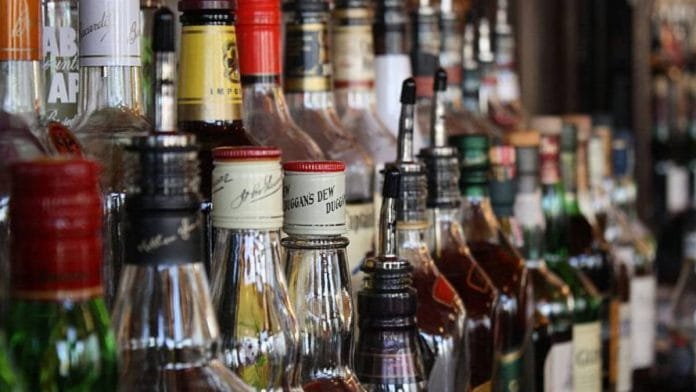



New Delhi: Saudi Arabia has reportedly relaxed its alcohol rules for Non-Muslim residents, allowing some to purchase from an unmarked store in Riyadh. But there is a catch. It is eligible only for applicants who earn at least 50,000 Saudi riyals per month, which amounts to roughly Rs 11 lakh.
The store, which opened last year, initially served only diplomats. It recently extended access to non-Muslims who hold premium residency status, a category intended for highly skilled professionals, investors, and entrepreneurs.
The Saudi Premium Residency scheme, launched in 2019, is the country’s version of a ‘green card’. It allows eligible foreigners to live and work in Saudi Arabia without a local sponsor. Applicants need to be at least 21 years old, medically fit, free of a criminal record, and with adequate financial resources for themselves and their dependents.
There is no public announcement about the change in alcohol policy. The store, located in a neighbourhood with embassies, has the sign: ‘VAT EXEMPT GOODS FOR DIPLOMATS ONLY’. Its location isn’t available on Google Maps and is shared among the community surreptitiously.
Why the ban on alcohol
Saudi Arabia banned alcohol in the early 1950s. Then-King Abdulaziz, the country’s founding monarch, stopped its sale following an incident in 1951, when one of his sons, Prince Mishari, became intoxicated and used a shotgun to kill British vice consul Cyril Ousman in Jeddah.
The ban also has its roots in religion, as the Quran advises Muslims to avoid alcohol.
A black market has, however, been present in the country for decades. Homemade spirits and high-end imported bottles have been served at private parties, in gated residential compounds, and in well-stocked Saudi homes.
Branded alcohol entered the informal market through embassies that imported an unlimited supply of alcohol in diplomatic shipments. But the government ended the system in January 2024.
The new Riyadh store opened as an official alternative, but allowed only non-Muslim diplomats to enter, and limited them to a monthly quota of alcohol.
Now, non-Muslim foreigners can buy alcohol at the shop, but they must pay more than the already marked-up prices that apply to diplomats.
Also read: Australia’s social media ban for teens kicks in today. What it means for the world
Saudi Arabia’s Vision 2030
In May 2025, Saudi Arabian officials had denied reports that the country had lifted the alcohol ban. However, they insisted that Saudi Arabia would allow a controlled sale of alcohol at the men’s soccer World Cup in 2034, which country is set to host.
The selective lifting of the ban makes Riyadh a more competitive hub for business and investment, with Saudi Arabia looking to draw in foreign talent and capital for its economic transformation.
This is one of the many restrictions eased since Mohammed bin Salman was appointed crown prince in 2017. Over the years, the Saudi government lifted the ban on cinema and women drivers, and has also made changes to male guardianship. The changes are part of the crown prince’s Vision 2030 to boost tourism, business, and foreign investment.
The government released a progress report in April 2025, which showed female labour force participation reached 36.2 per cent in the third quarter of 2024. The other successes are non-oil revenues reaching $137.29 billion, a 113 per cent increase on the 2016 baseline. Unemployment dropped to 7 per cent in the fourth quarter of 2024, which meant that the Vision 2030 target was met five years in advance.
(Edited by Prasanna Bachchhav)