








London [UK], March 27 (ANI): In order to beat the global crisis that has erupted due to plastic waste, scientists have taken an important step in developing nature-based solutions.
They have characterised an enzyme that has the remarkable capacity to help break down terephthalate (TPA), one of the chemical building blocks of polyethylene terephthalate (PET) plastic, which is used to make single-use drinks bottles, clothing and carpets.
The findings of the study were published in ‘The Proceedings of the National Academy of Sciences’ (PNAS).
The research was co-led by Professor Jen DuBois, Montana State University, and Professor John McGeehan from the University of Portsmouth, who in 2018 led the international team that engineered a natural enzyme that could break down PET plastic. This new research describes the next steps, specifically for managing TPA.
Professor DuBois said, “While EG is a chemical with many uses — it’s part of the antifreeze you put into your car, for example — TPA does not have many uses outside of PET, nor is it something that most bacteria can even digest. However, the Portsmouth team revealed that an enzyme from PET-consuming bacteria recognises TPA like a hand in a glove. Our group at MSU then demonstrated that this enzyme, called TPADO, breaks down TPA and pretty much only TPA, with amazing efficiency.”
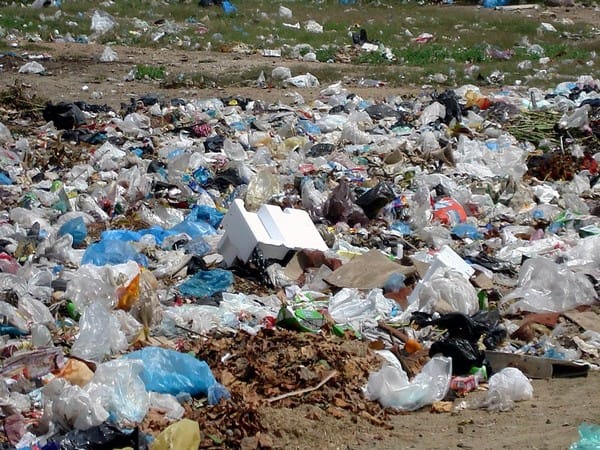
With more than 400 million tons of plastic waste produced each year, the overwhelming majority of which ends up in landfills, it is hoped this work will open the door to improve bacterial enzymes, such as TPADO. This will help tackle the challenge of plastic pollution and develop biological systems that can convert waste plastic into valuable products.
Professor McGeehan, who is the Director of the University’s Centre for Enzyme Innovation, said, “The last few years have seen incredible advances in the engineering of enzymes to break down PET plastic into its building blocks. This work goes a stage further and looks at the first enzyme in a cascade that can deconstruct those building blocks into simpler molecules. These can then be utilised by bacteria to generate sustainable chemicals and materials, essential making valuable products out of plastic waste.”
Professor McGeehan concluded, “Using powerful X-ray at the Diamond Light Source, we were able to generate a detailed 3D structure of the TPADO enzyme, revealing how it performs this crucial reaction. This provides researchers with a blueprint for engineering faster and more efficient versions of this complex enzyme.” (ANI)
This report is auto-generated from ANI news service. ThePrint holds no responsibility for its content.