









In the sea of skincare trends, fancy ingredients, and viral products, one simple science fact often gets ignored: pH.
It’s not just a chemistry term—it’s the key to whether your skin stays calm, hydrated, and healthy or becomes irritated, dry, and breakout-prone. Understanding pH helps you choose better products and avoid mistakes that quietly sabotage your skin barrier.
What is pH?
The pH scale runs from zero (very acidic) to 14 (very alkaline), with seven being neutral.
Your skin isn’t neutral. Healthy skin sits in a mildly acidic range of 4.5-5.5. This acidity comes from the acid mantle—a protective layer made of sebum, sweat, fatty acids, and natural moisturising factors.
Think of the acid mantle as your skin’s built-in shield. It keeps moisture locked in, fights off bad bacteria, and helps your skin renew itself properly.
When your skin’s pH stays in that sweet spot, the acid mantle does its job beautifully:
- Apart from hydration, it prevents water loss
- Keeps fungi in check
- Supports enzymes that shed dead skin and build healthy lipids
But when pH climbs too high (often from harsh products), the shield weakens. That leads to dryness, irritation, inflammation, and even long-term issues.
When pH goes off balance
An imbalanced pH isn’t just “annoying”—it triggers real problems:
- Weakened barrier and irritation: High pH breaks down the skin’s lipid structure, which causes more water to escape, resulting in dry, reactive, and red skin.
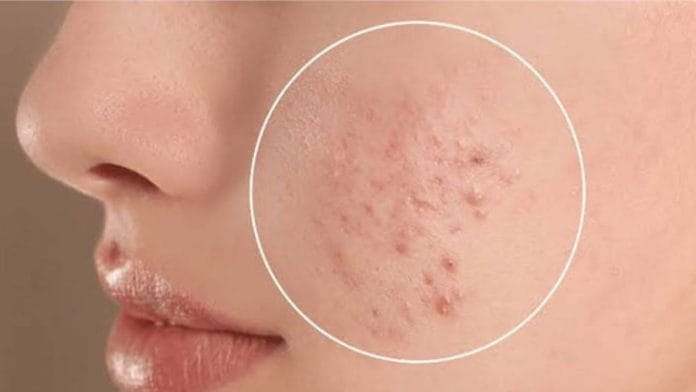
- Microbiome chaos: Good bacteria love acidity, but when pH rises, bad ones (like those linked to acne or eczema) take over.
- Sluggish enzymes: Key processes like cell turnover and lipid repair slow down results in flaky, dull, slow-healing skin.
Here’s how pH influences your favourite skincare products and why it matters for your skin’s health.
- Cleansers: Harsh, alkaline soaps (pH 8+) strip your acid mantle, leaving skin tight and dry. Opt for gentle, pH-balanced ones (around 4.5–6.0).
- Actives: Vitamin C loves low pH (3.5) for penetration. Alpha Hydroxy Acids and Beta Hydroxy Acids (AHAs/BHAs) work best in acidic formulas, too.
- Moisturisers: pH close to skin’s natural level supports repair. Very alkaline ones can delay healing, especially for sensitive skin.
Also read: Retinol vs Bakuchiol—which anti-ageing ingredient is right for your skin?
A real-life example
I once saw a patient in her 30s who was frustrated with stubborn acne and constant dryness. She was using a popular foaming “deep-cleansing” face wash every morning and night.
After a few weeks of switching to a gentle, pH-balanced cleanser (around 5.0–5.5) and adding a hydrating toner to restore acidity, her skin transformed. The tightness disappeared, breakouts reduced dramatically, and her barrier felt stronger.
It wasn’t about fancy new actives—it was simply respecting her skin’s natural pH. Studies show similar patterns: people with acne often have higher skin pH, and restoring it helps calm inflammation and support healing.
Quick tips
- Pick pH-balanced products (aim for 4.5–5.5 where possible)
- Ditch harsh alkaline soaps and astringents
- Use a toner or essence after cleansing to rebalance (especially if your water is hard/alkaline)
- Don’t over-exfoliate—too much disrupts pH and the barrier
Let’s bust some of the most common myths about pH and what it really does to your skin.
- “More acidic means always better”. This statement is not true. Super-low pH can irritate sensitive skin. Balance is key.
- “pH-balanced on the label means perfect” is also not always true. Check the actual pH and formula if possible.
The bigger picture
Higher pH levels are common in conditions like eczema, acne, and sensitive skin. Restoring natural acidity often reduces symptoms, strengthens the barrier, and improves resilience—something we aim for in both clinic treatments and daily care.
pH isn’t a buzzword—it’s foundational to healthy skin.
Skip the hype, respect your skin’s natural acidity, and choose products that support it. Your barrier will stay strong, your microbiome happy, and your complexion clearer and calmer.
Your skin truly thanks you when you get the basics right, reconfirms your friendly skin teller.
Dr Deepali Bhardwaj is a Consultant Dermatologist, Max Hospital, Saket. She is also an anti-allergy specialist, laser surgeon and internationally trained aesthetician. She tweets @dermatdoc. Views are personal.
(Edited by Saptak Datta)