





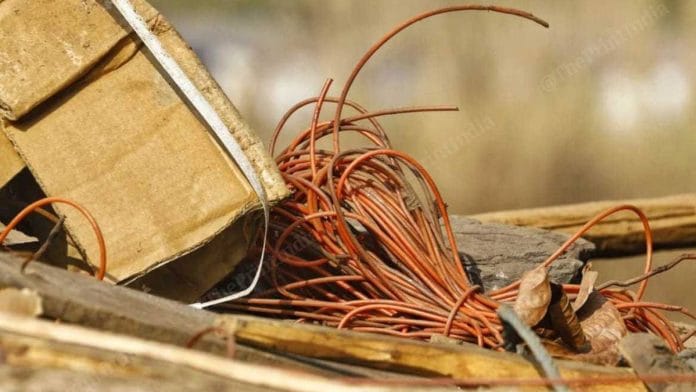



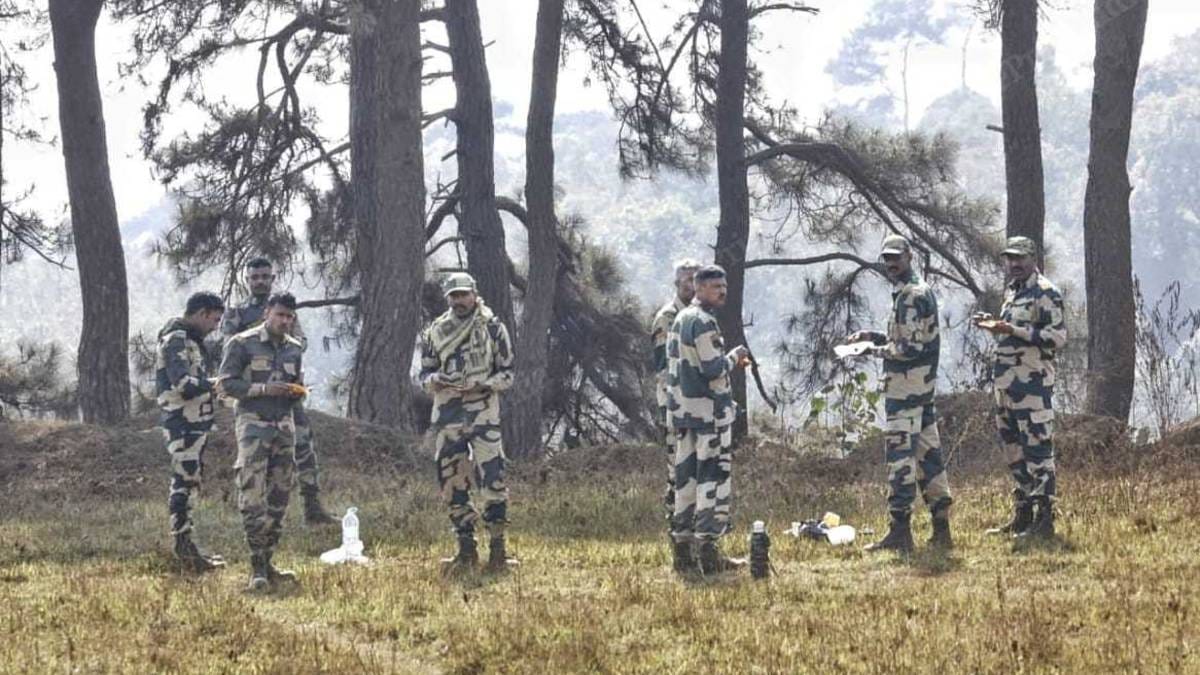
Thangsko: Rescue personnel and a team from the bomb detection squad thronged the mine blast site in Meghalaya’s East Jaintia Hills Saturday, examining wires from improvised explosive devices (IEDs) believed to have been used to carry out blasts inside the “rat hole” coal mines.
Officials present at the spot, including those from the NDRF, SDRF, BSF, local police and Bomb Detection & Disposal Squad (BDDS), said the mine explosion that left 27 workers dead Thursday had been caused via the IEDs.
“They used IED dynamite to blast inside the tunnels, and that is what caused the incident, as it led to a massive fire after contact with the gas inside the mines,” a BDDS official told ThePrint on the condition of anonymity.
IED wires were seen scattered all across the area near the mines and outside the labourers’ huts.
It has been three days since the blast in the Thangsko region of East Jaintia Hills in Meghalaya. While 27 workers are dead, nine are admitted in hospital.
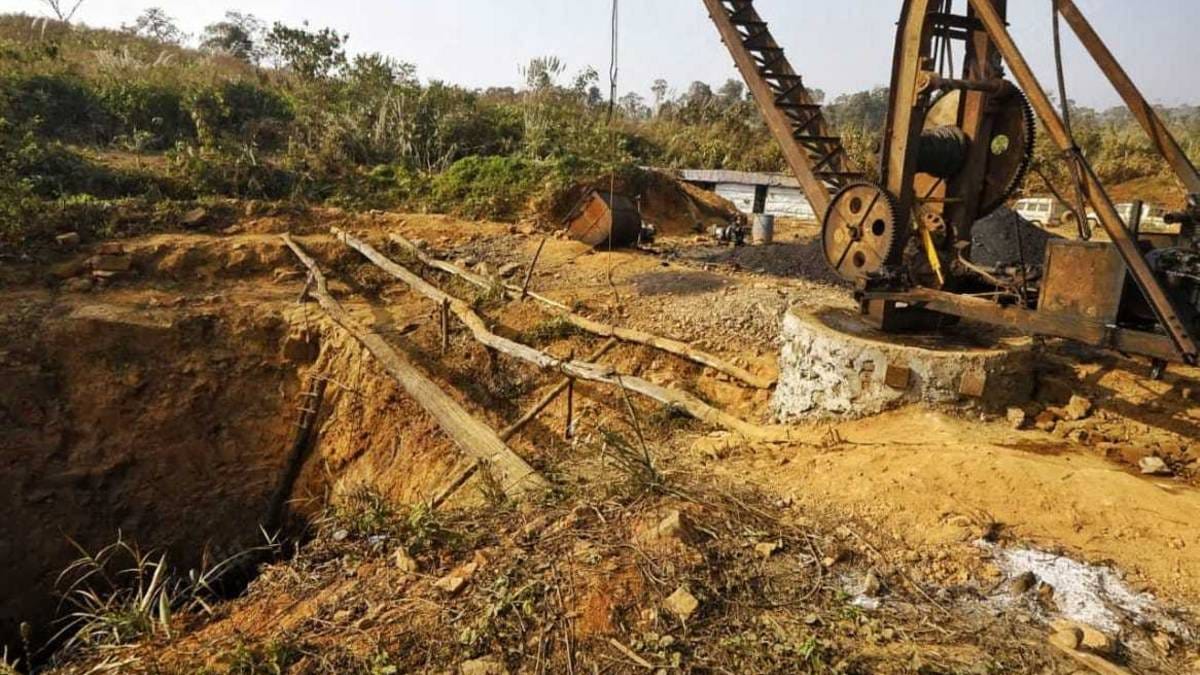
Rat-hole coal mining was banned in Meghalaya 12 years ago. Such mining involves digging of narrow underground shafts, termed “rat holes”, through which labourers crouch or crawl to extract coal. Most of the extraction is done manually but controlled blasts, via dynamite, are often used to break the hard rock and coal seams. Miners drill holes into the rock, insert explosive sticks with detonator wires, and trigger a timed blast that fractures the surface, making it easier to extract coal.
“That is the standard practice in these illegal mines that are spread across the hills. They procure dynamite from nearby areas, and electricity is required to carry out such blasts. It was an organised operation taking place there. This cannot happen without the knowledge of the police and administration,” Agnes Kharshiing, activist and member of the Meghalaya Peoples Human Rights Council, told ThePrint.
“People have died earlier as well, but those incidents were always covered up by the police. Now poor families have lost their members—they are helpless and hopeless,” she added.
East Jaintia Hills Superintendent of Police Vikash Kumar informed that 11 detonators were recovered during the investigation along with used electric wires from the area.
Teams from the Forensic Science Laboratory and the bomb disposal squad have since completed their on-site inspection.
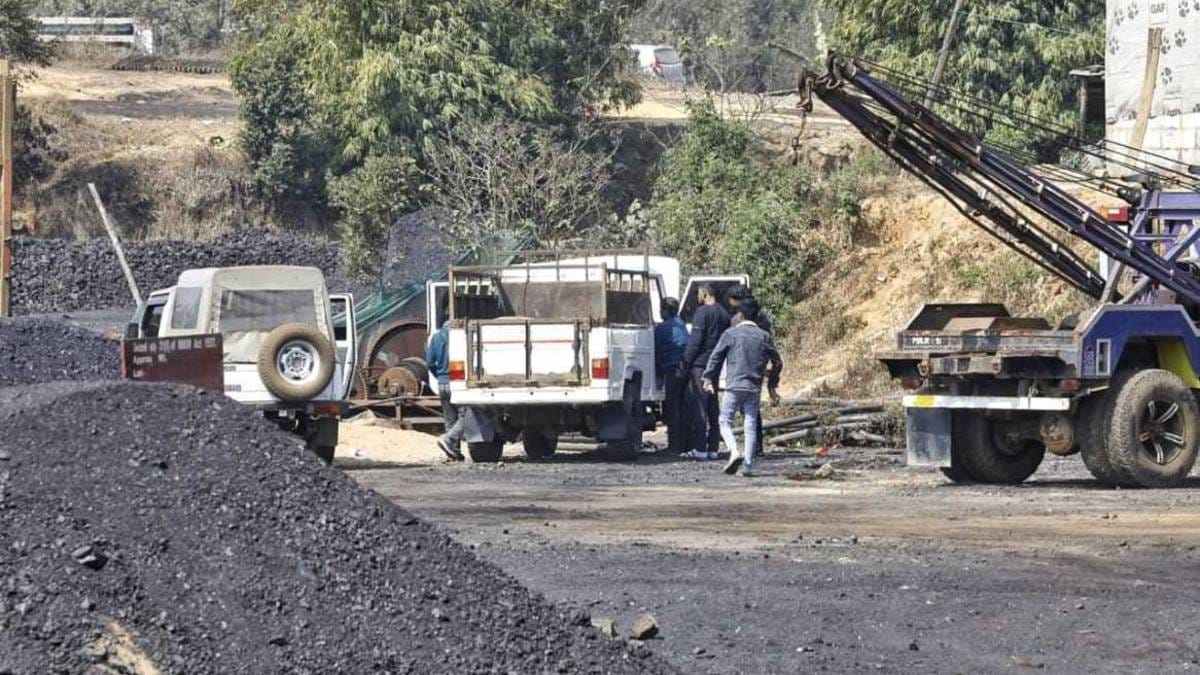
The SP referred to the detention of non-locals carrying explosives at Umpleng Bazaar and informed that 63 detonators had been seized from people from Tripura and Assam.
“We are trying to find out from where they were getting the dynamite. We are trying to find the leakage. The administration is also trying to identify the bodies and compensation work is on,” the SP said.
The preliminary findings point to an organised supply system supporting illegal mining, with critics maintaining that such materials are arranged by local mine operators to sidestep safety norms.
“It’s been going on for years. Even after the Supreme Court decision (upholding rat hole mining ban by National Green Tribunal), it didn’t stop. The mine owners arrange the materials from the nearby area only, ignoring all safety norms,” said Agnes.
‘Nobody wants to work in such places’
Karn Bahadur and Tikaram Bahadur were among the mine workers who died in Thursday’s explosion. Their bodies are now in the Civil Hospital, Khliehriat.
Their brother Jog Bahadur, 57, travelled seven hours to collect their bodies. He never imagined he would lose his two siblings together like this. Their bodies were burnt, he said, and he recognised them because of their shoes and face structure. He doesn’t have enough money to take the bodies to Nepal, so he will perform their last rites in the nearby forest area.
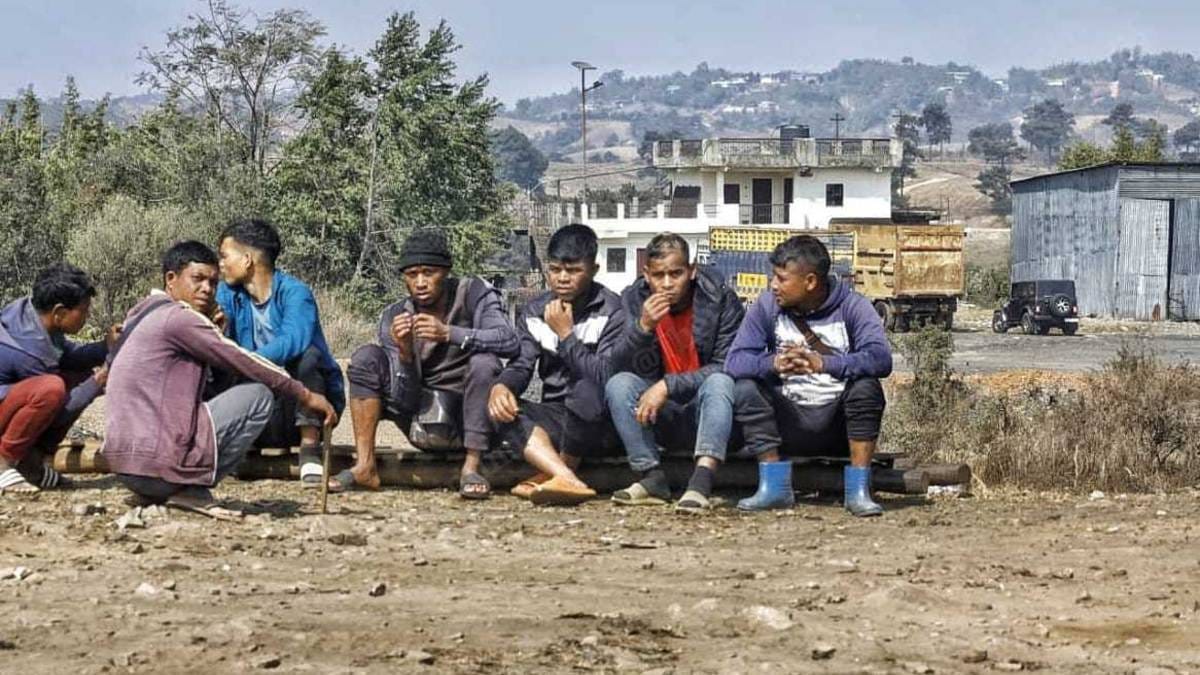
“I don’t have money to pay for the ambulance. I have shown their faces to the family back in Nepal on video call and sent pictures. Anyway, their faces are not recognisable. They used to earn Rs 1,200 every day. They came two months ago here. Never thought my brothers would die like this,” said Bahadur, while waiting for the bodies after completing the paperwork.
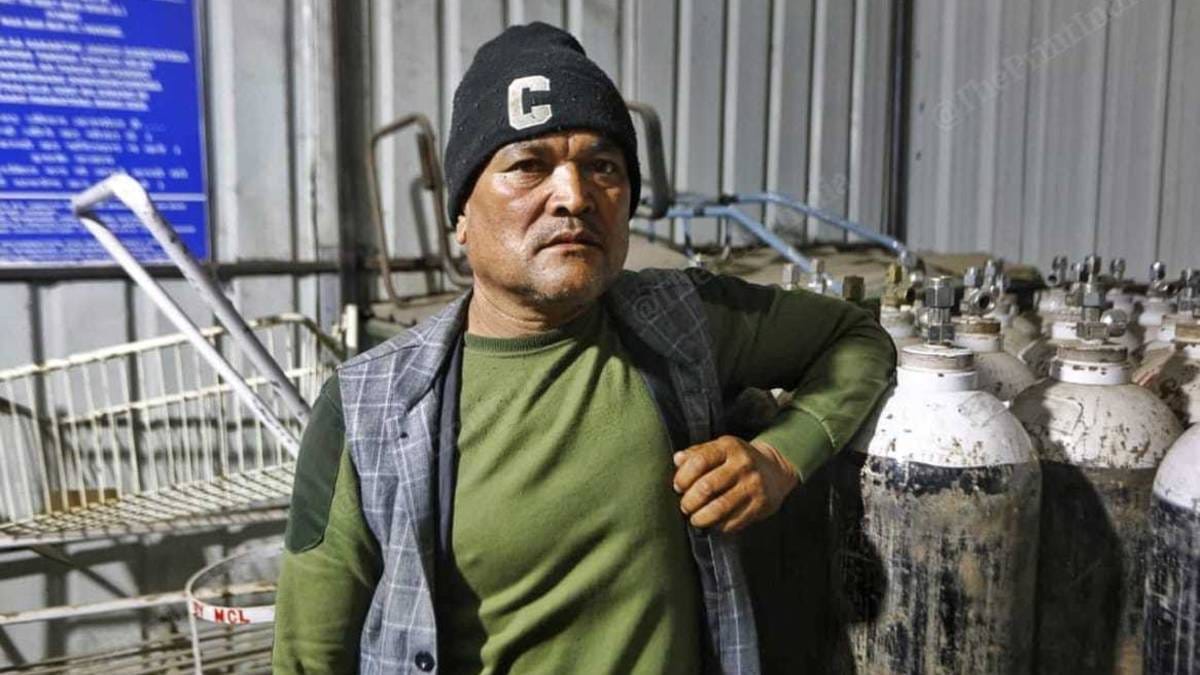
Just beside him was Rabindra Vishwakarma, another rat-hole coal mine worker who had to walk eight hours to claim his uncle’s body. He regrets working there but said he has no other option.
“Nobody wants to work in such places. We don’t have work back in Nepal, so that’s why we come here to work. But I never thought this would happen and there would be nobody to help us. I don’t have money to eat. I walked eight hours and couldn’t eat anything on my way. The administration hasn’t made any arrangement for people like me—no food, no compensation,” he told ThePrint, showing his hands covered in coal dust.
“I want help but it’s nowhere to be found,” he added.
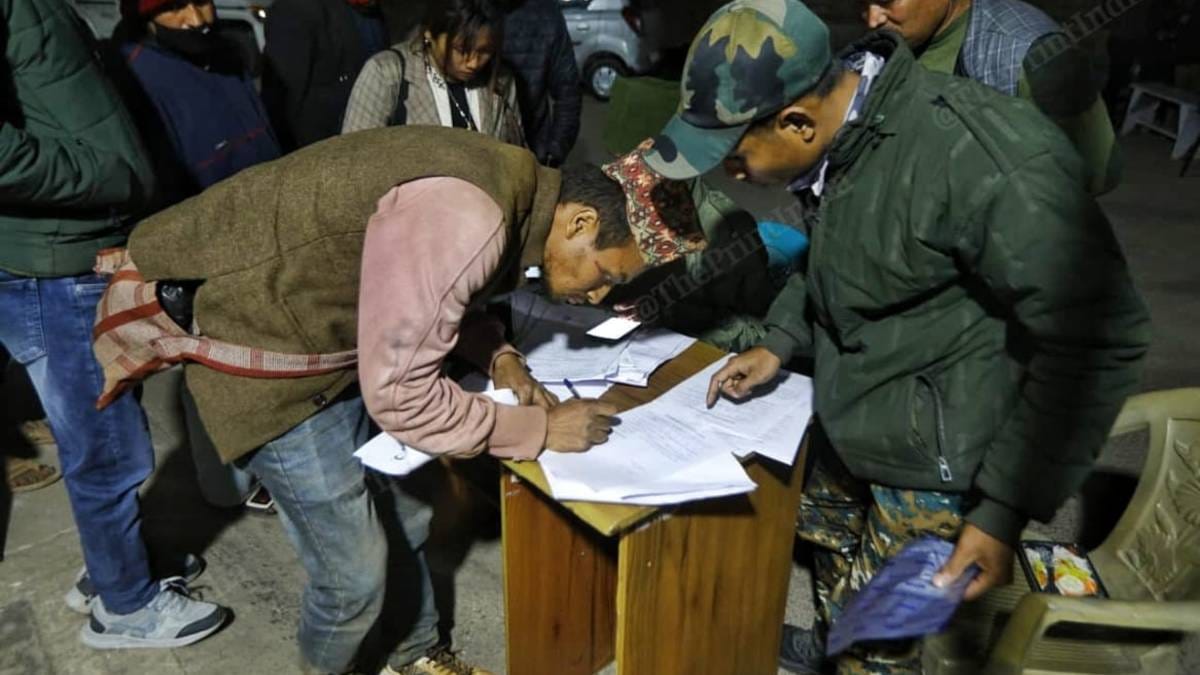
Many people have claimed the bodies. The local administration hasn’t released any list of the deceased but it is known that people from Assam, Bengal and Nepal used to work there. Almost 99% of the labourers employed in the mine have fled; the rest await bodies of friends or relatives.
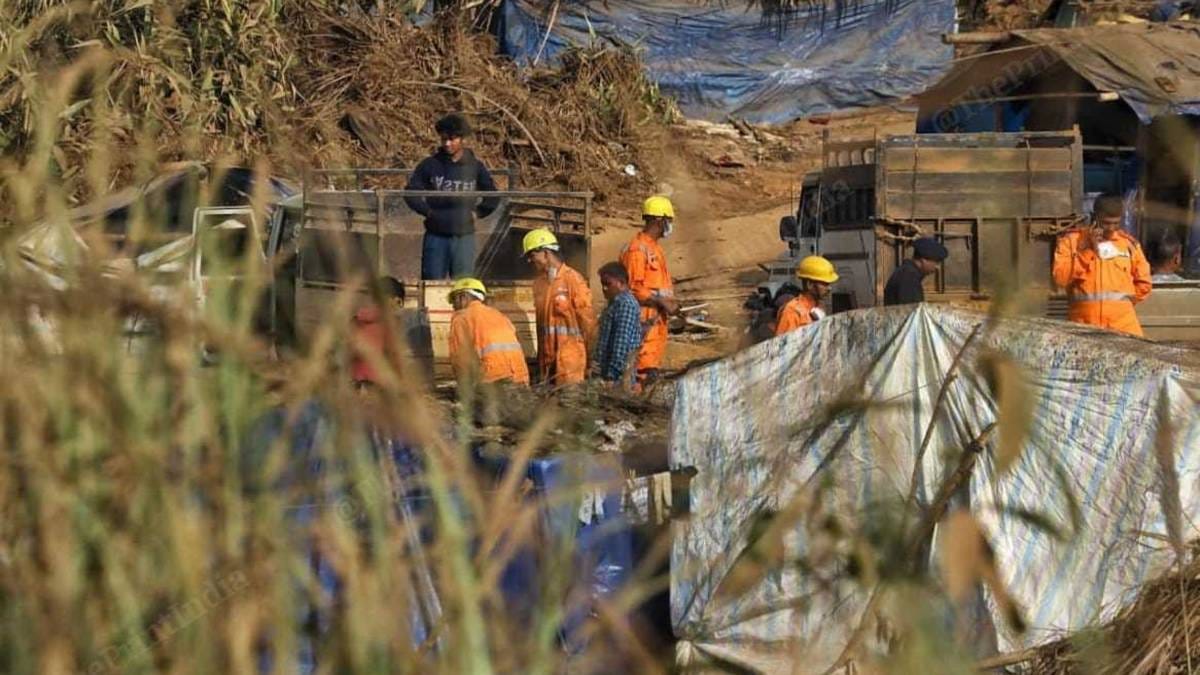
The NDRF, SDRF, BSF, local police and medical teams are on the spot, still retrieving bodies from deep inside the mines. According to the labourers, around 17 bodies are still buried inside. But the NDRF could not confirm this.
“We can’t say how many are buried. We found two people and continued the operation. We will keep doing this until the administration asks us to stop,” said H.P.S. Kandari, NDRF commanding officer present at the spot.
(Edited by Nida Fatima Siddiqui)
Also Read: Another year, another mining tragedy — why Meghalaya’s ‘rat holes’ won’t stop killing