





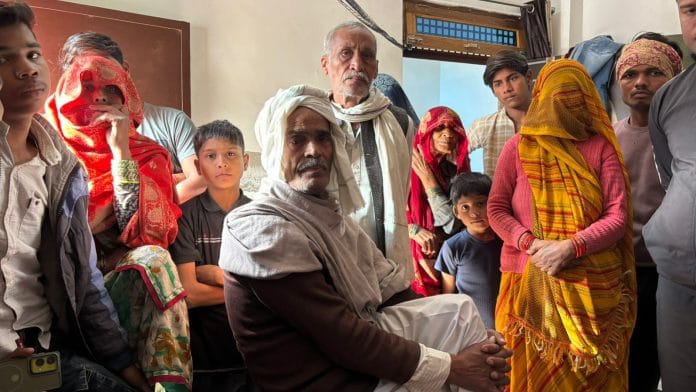



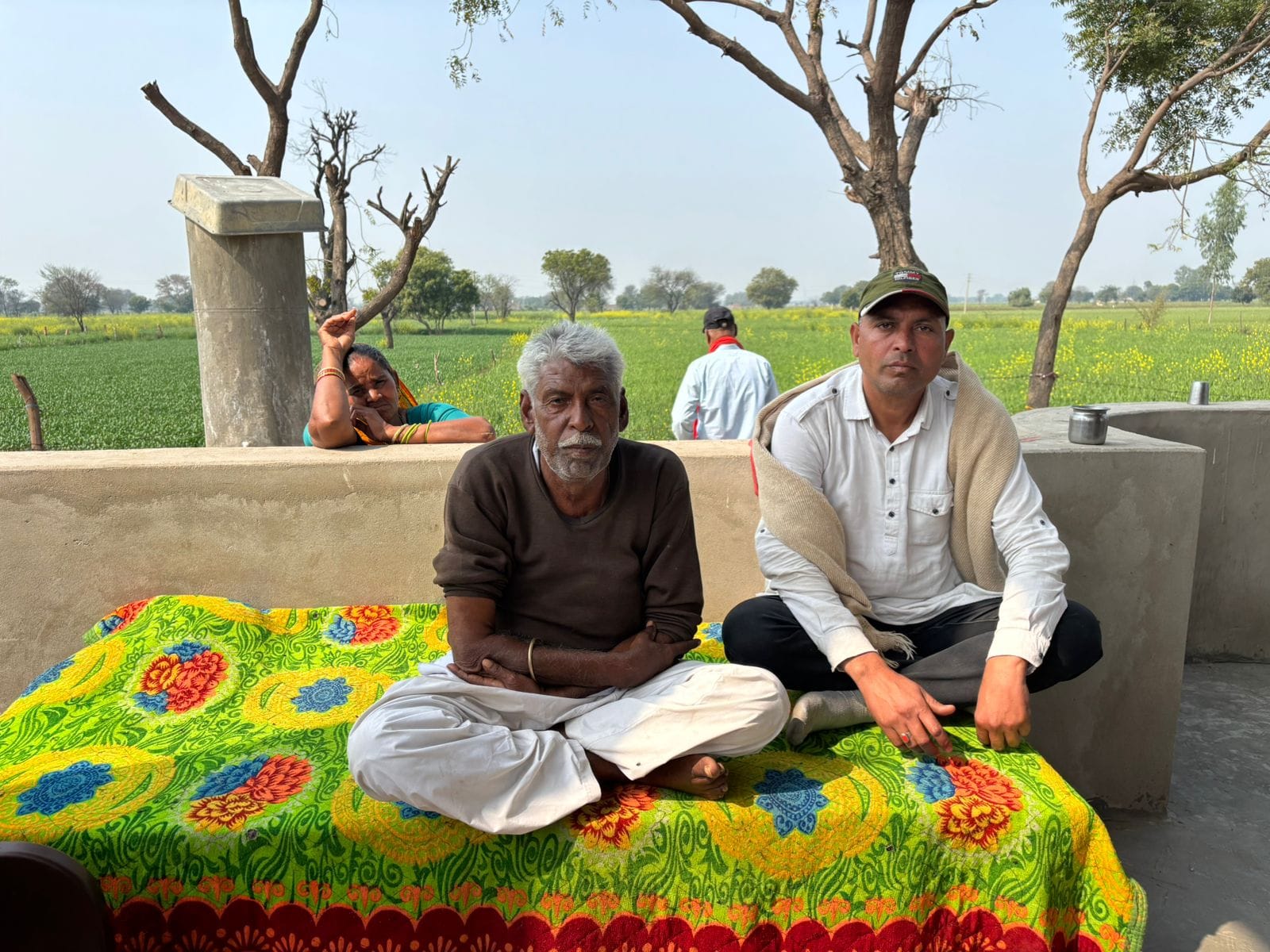
Mathura: Around Monday afternoon, 32-year-old Seema told her father she would come home and take her ailing mother to the doctor. She never did. Now, 60-year-old Brijender is unable to tell his paralysed wife why. In Hathras’s Mandnai village, he sits surrounded by neighbours, quietly greeting visitors who arrive with the same question: why?
About 50 kilometres away, in Mathura’s Khapparpur village, Seema and her three minor children were allegedly killed by her husband, Manish Jatav, police say. The 35-year-old left behind three messages — one written on paper, another scribbled on the wall of their one-room house, and a third in a 50-second video recorded on his mobile phone. “We, Manish and Seema, have died of our own will. No one else is responsible,” he says in the clip.
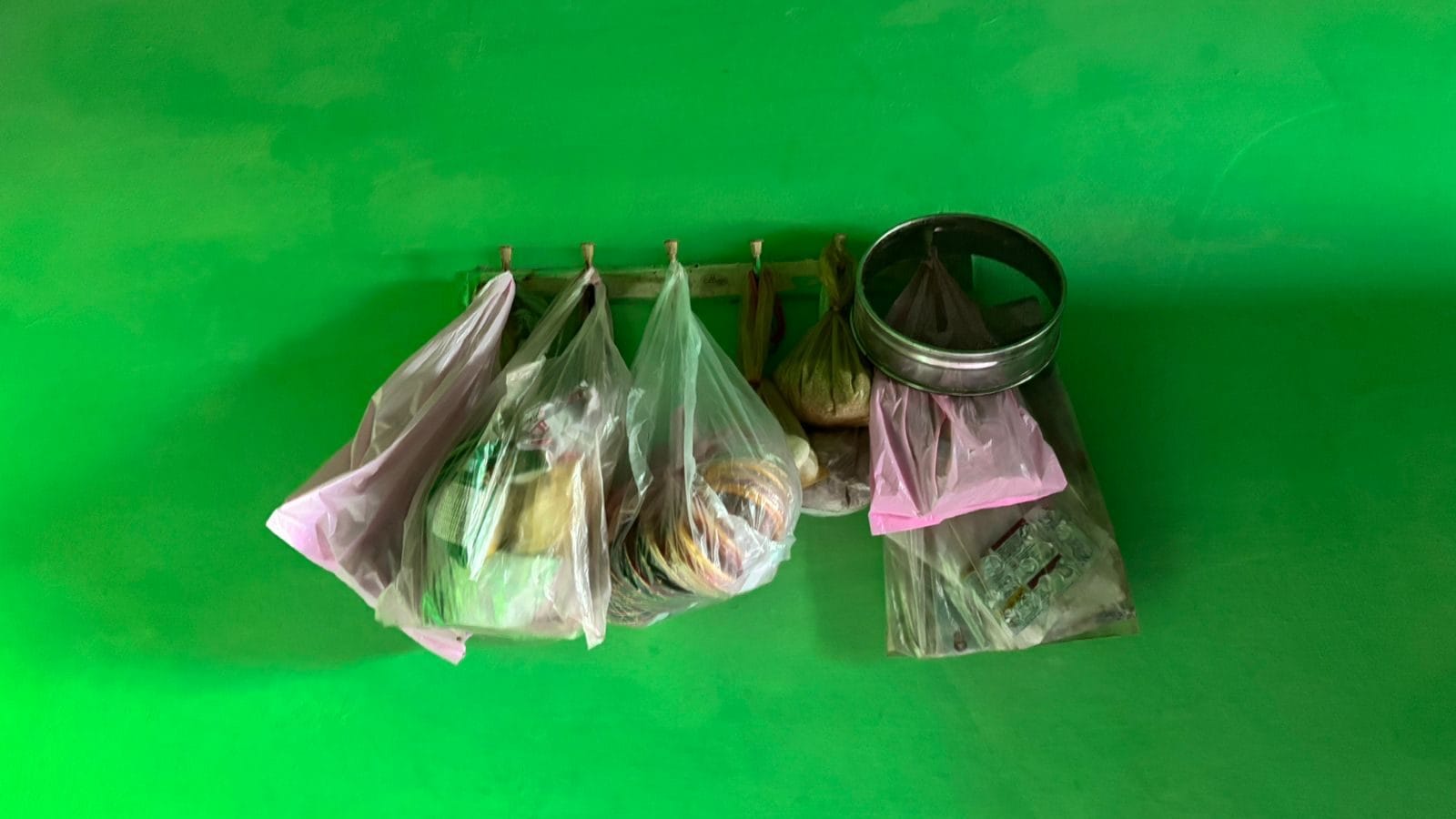
The room, painted dark green, was broken open on Tuesday morning by Manish’s brother, Sudhir, after the children didn’t come out to play as they did every day. Inside, the signs of violence remain stark — a suicide message written over the children’s chalk scribbles on the wall, blood stains on the mattress, and a live electric wire hanging loose.
“I peeped through the window and saw a bulb on. Then I saw their bodies. My brother was lying on the floor,” Sudhir said. “We broke open the door and called the police. I could not understand what had happened.”
Police said that, prima facie, Manish killed his three children first, then attacked his wife, before killing himself. The exact cause and time of death will be confirmed after post-mortem reports.
“It seems he recorded the video after killing his family,” said Shweta Verma, Circle Officer, Mahavan police station.
He was withdrawn. She was scared of ‘badnami’
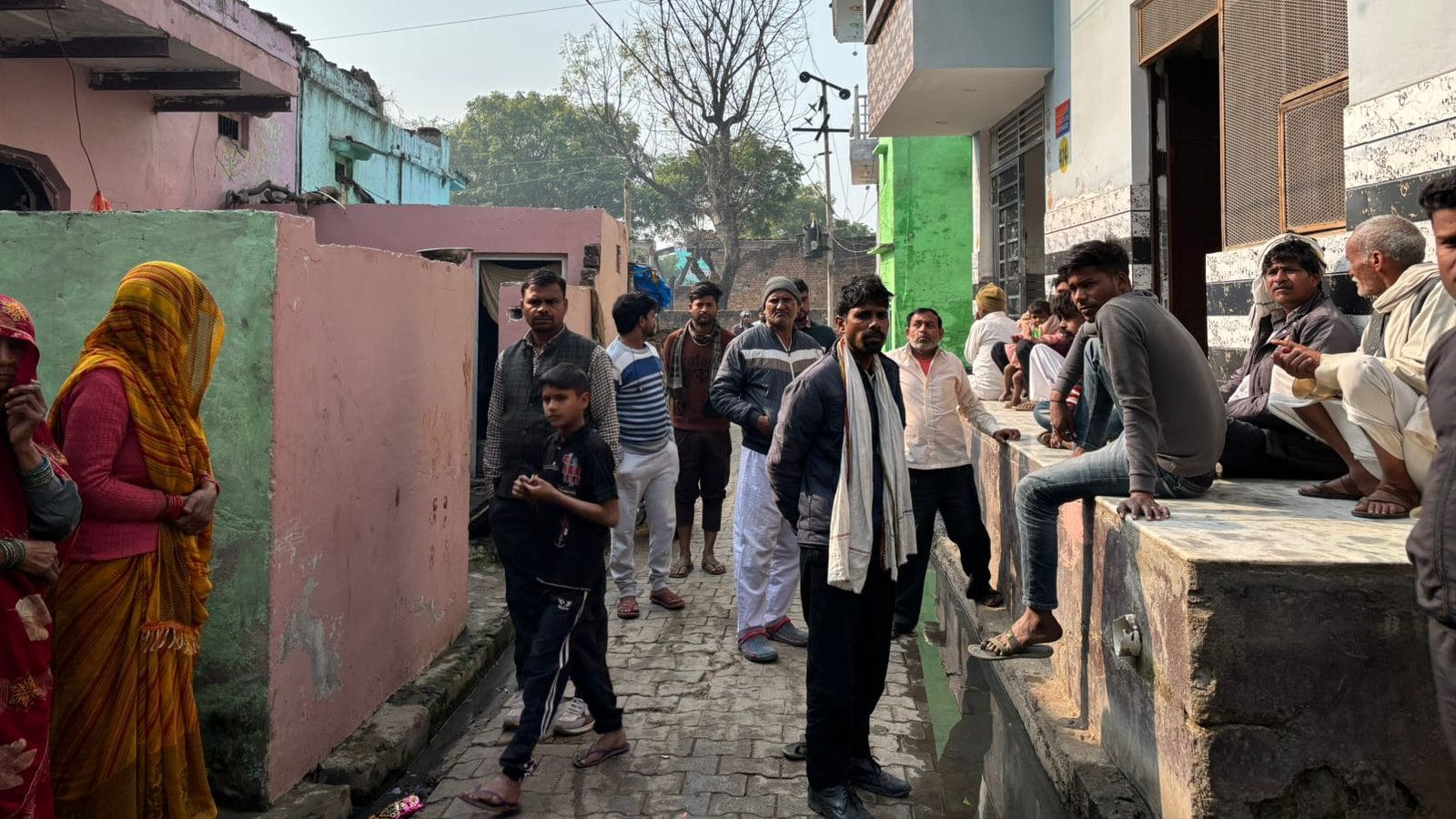
Manish lived in Khapparpur with his wife Seema and their three children — aged two, four and five — in a house next to his brothers. The family worked in farming, though relatives say Manish was only seasonally employed and mostly stayed at home.
“He did not talk much. He rarely stepped out,” one neighbour said.
Family members said Manish had struggled with alcohol three years ago and would pick fights at home. Around that time, they turned to a local priest, Karua Baba, who heads the Haveli Wali Mata Rani temple located about 10 minutes away. Regular visits followed, and Manish gradually became a devoted follower.
“Over time, his involvement deepened, and he began spending long hours there,” Sudhir said.
“We did not realise when his connection with the baba became too strong,” he added. “He would stay with him most of the time. Even the children were often with us.”
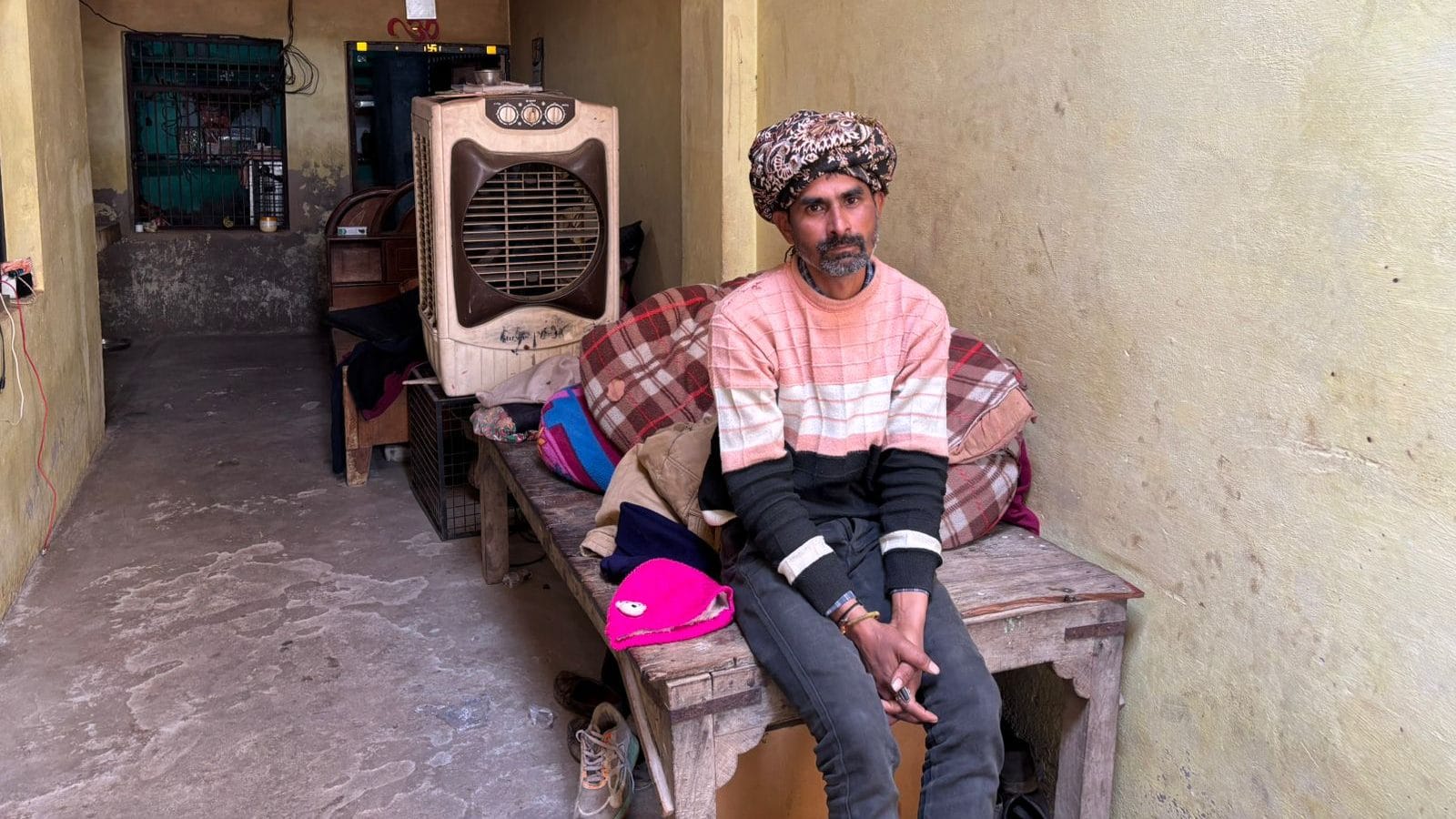
Relatives insist there were no visible financial troubles. Manish had recently purchased a motorcycle and helmet, and had sold a piece of land worth Rs 19 lakh, receiving Rs 12.6 lakh in advance.
“There was no shortage of money,” Sudhir said. “He was managing his life through the land he sold. We never understood why he got into tantric beliefs.”
Seema, relatives said, remained closely connected to her parents and extended family. She enjoyed embroidery and spent most of her time caring for the children. She visited her parental home often, especially to look after her ailing mother. She was set to return soon and take her mother to the doctor.
Brijender described his son-in-law as withdrawn and prone to arguments.
“He wouldn’t talk much,” he said. “Sometimes, he fought with my daughter. Once he broke the gifts we gave them for their marriage — a fridge and other appliances. We had to replace everything.”
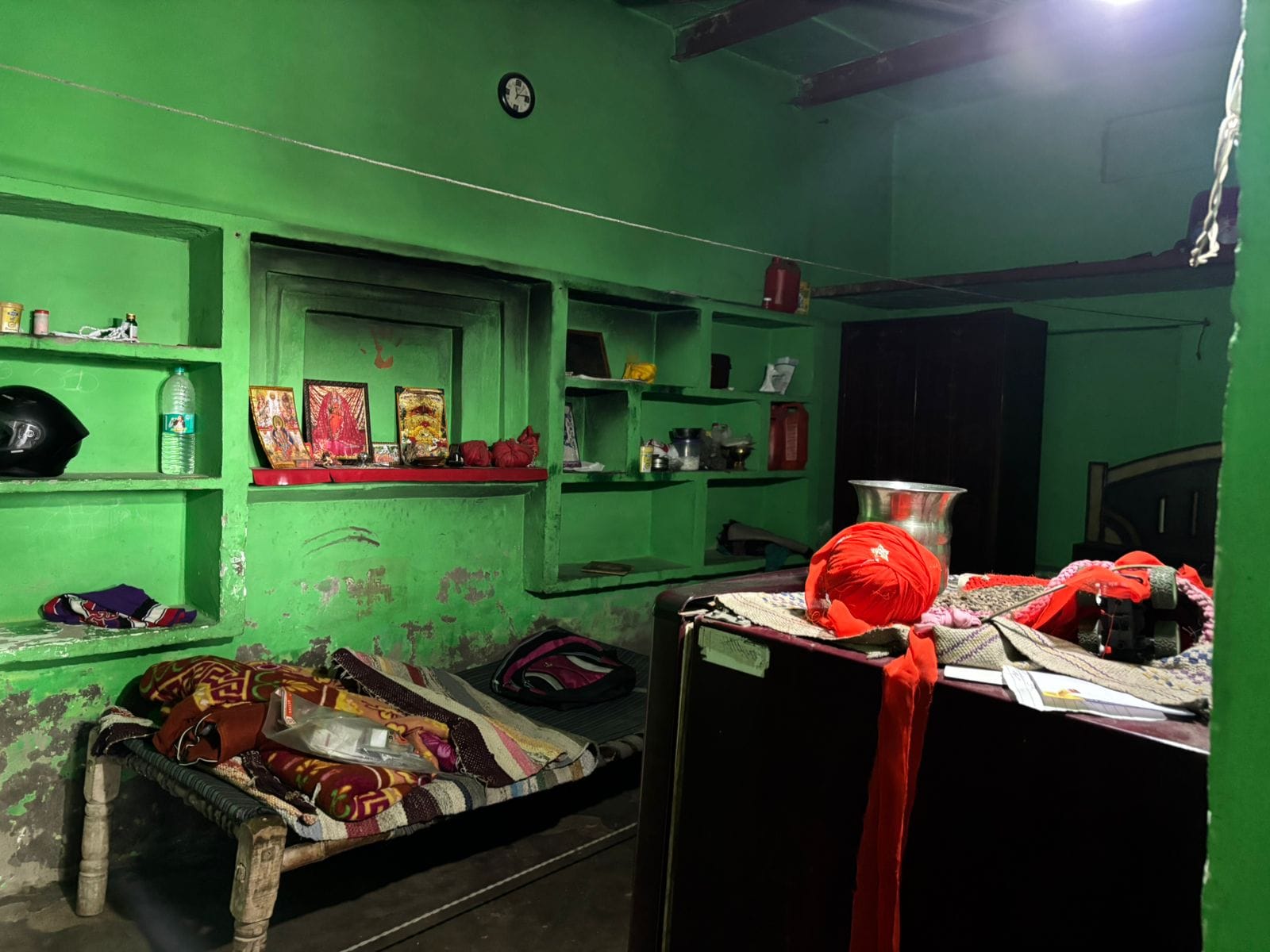
He said Seema rarely spoke openly about problems at home — or the ‘orbs’ Manish kept wrapped in red cloth, which relatives associated with his tantric beliefs.
“She was scared of badnami (social stigma),” the father said.
Family members said they had repeatedly asked Manish to distance himself from the priest and certain practices they were uncomfortable with.
“He believed we were wrong,” a relative said.
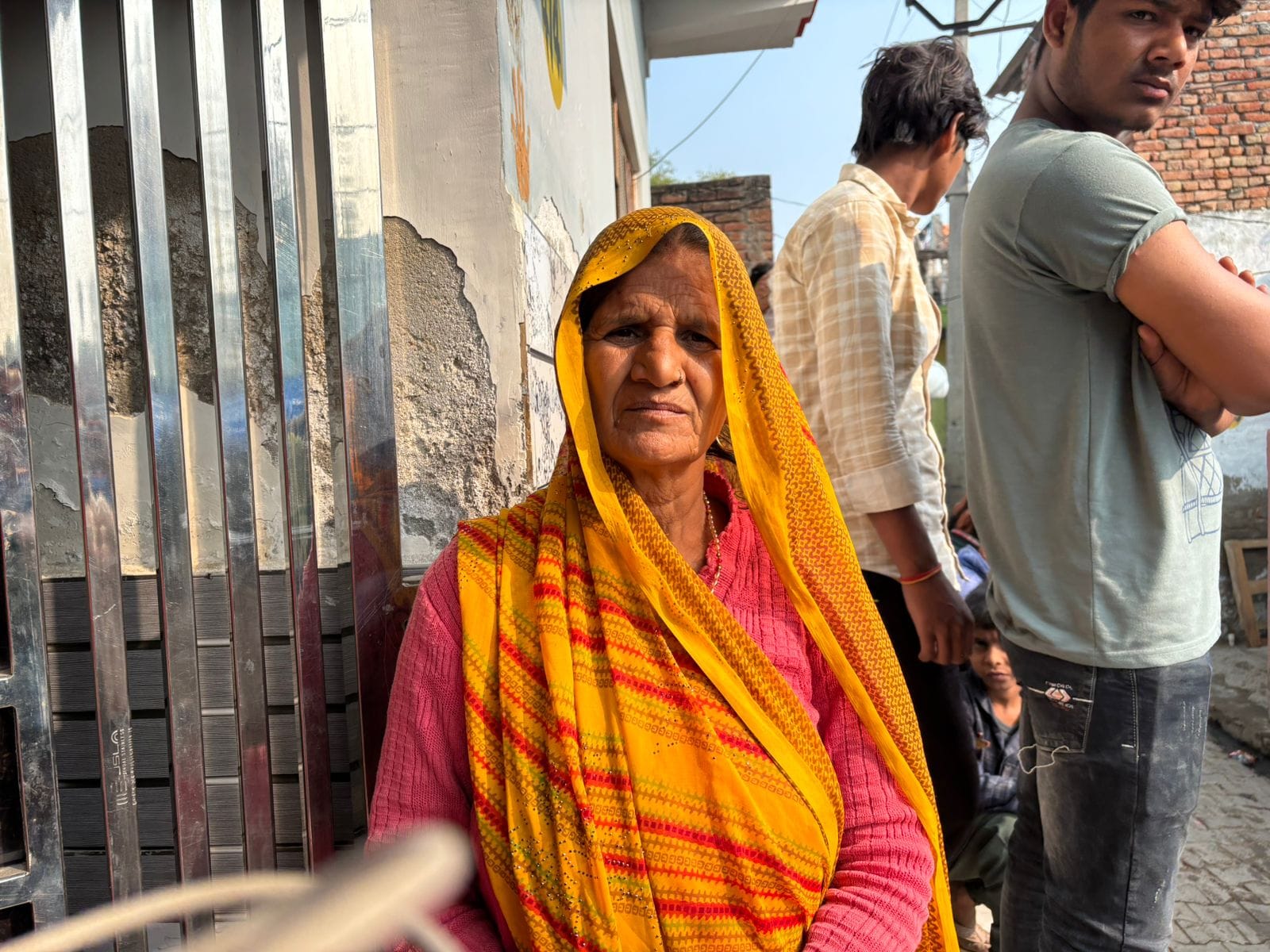
The family was increasingly becoming aware of Seema’s troubles at home. Her aunt, Sunetra Devi, said her niece had often appeared distressed.
“Seema had cried many times,” she said. “She was tired of his behaviour. She once told me he tried to kill her. She felt powerless.”
Seema even feared the situation might turn violent. “She used to say something terrible would either happen to Manish, or the entire family,” the aunt said.
Grief, anger and a temple under scrutiny
Outside the house in Khapparpur, women continue to gather, trying to make sense of the tragedy. Some remember Manish as easily irritated, especially during financial disagreements. Others say he mostly kept to himself.
In the village, grief has also turned into anger. Several residents said Manish’s actions had brought disrepute to a spiritual figure they revere.
“Iski wajah se hamare baba ji ka naam kharab ho gaya,” a villager said, blaming him for dragging the temple’s name into the aftermath of the killings.
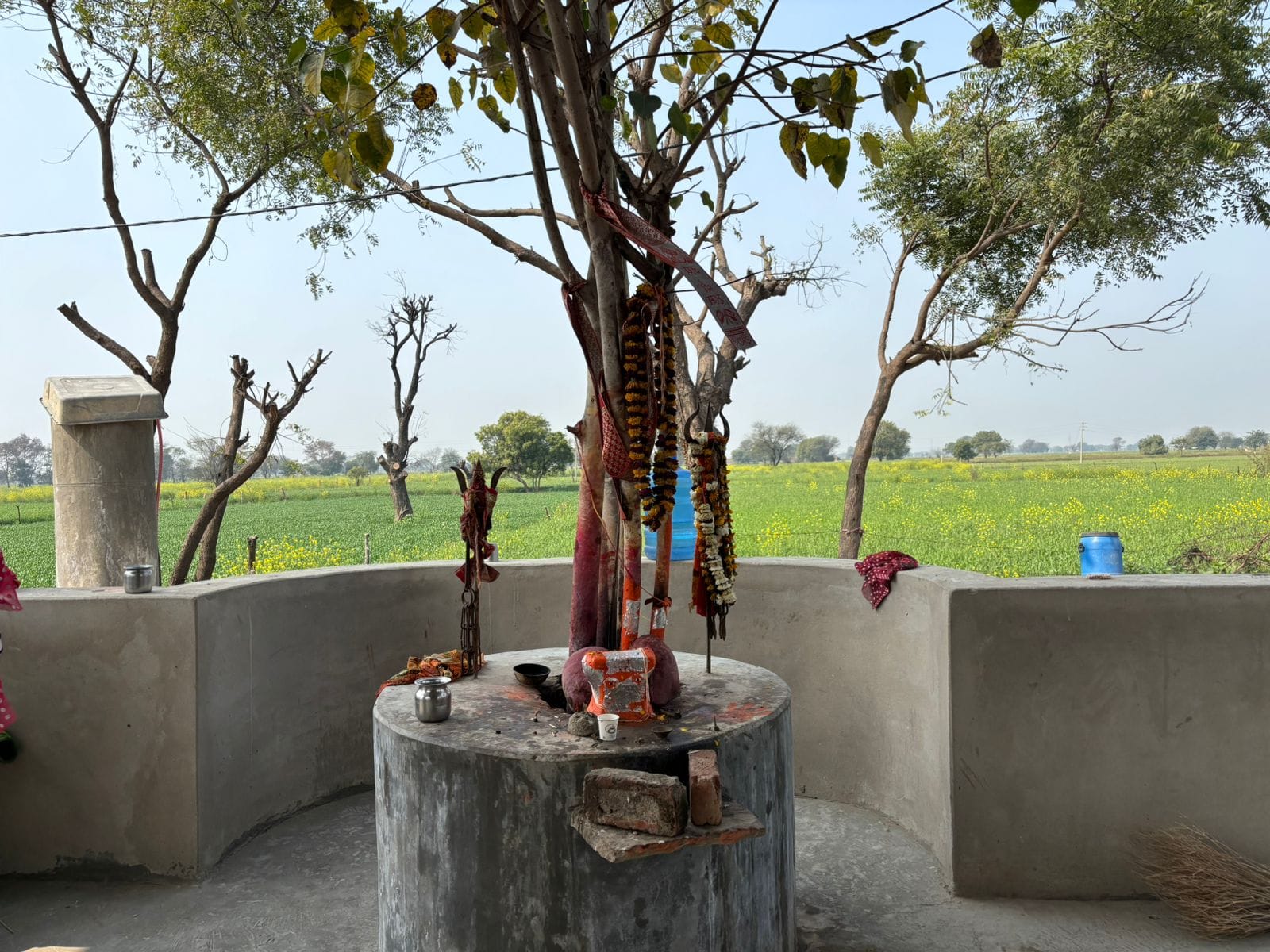
In the middle of a wheat field stands the Haveli Wali Mata Rani temple — a cement structure that appears unfinished, with exposed iron grills and unpainted walls. Trees around it are wrapped in cloth strips and garlands marked with red teeka.
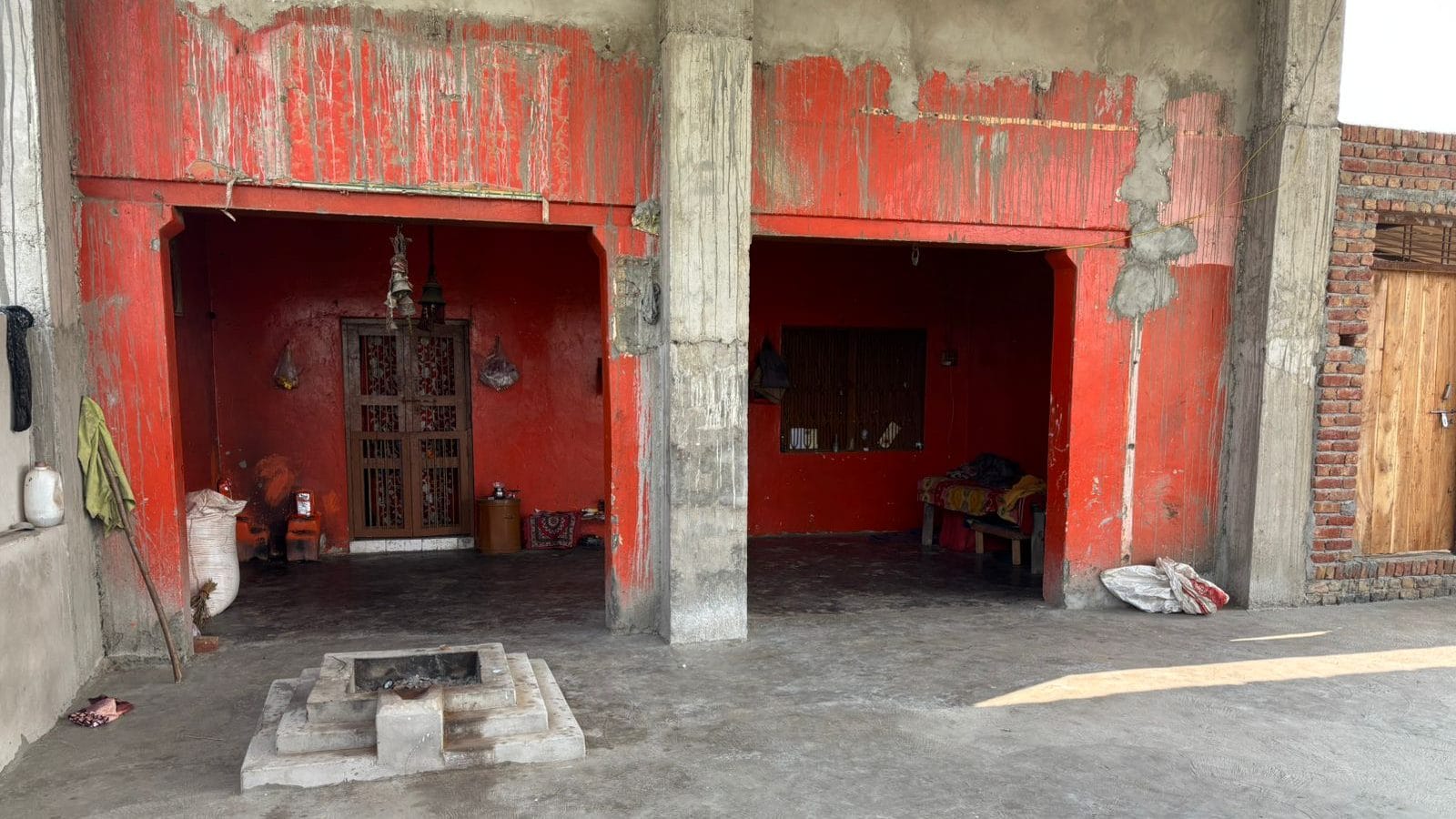
Karua Baba, who heads the temple, denied any wrongdoing. His 35-year-old son, also named Manish and a priest at the temple for the past decade, was detained briefly for questioning and later released.
Karua Baba said Manish Jatav had been visiting for around three years and occasionally helped with cleaning and carrying puja materials, for which he was paid Rs 500.
“He had no problems that he shared with us,” Karua Baba said. “For the last four months, we were not in touch. He was sick with typhoid.”
He denied any occult practices at the temple. “People come here for sukh shanti, ghar ke kalesh. We only perform havan and prayers,” he said.
Among devotees, support for Karua Baba remains strong. Ram Nivas, 46, said people visit with concerns ranging from financial stress to family disputes.
“Babaji helps them. He wouldn’t tell anybody to die,” he said.
Others are more sceptical. Arvind, a farmer, said the temple attracts significant donations and influence. “A car, money, support for construction — it all comes from followers,” he said.
Police, however, said call detail records show no contact between Manish Jatav and the priest in the four months preceding the deaths.
“So far, we suspect mental distress may have caused Manish to take such a step,” Verma, the circle officer, said. “There is nothing on his mobile phone that points to the reason for the deaths. The investigation continues.”
Near Sadabad in Hathras, Seema’s father continues to wait for answers he says have been building for years.
Visitors keep arriving. The same questions are repeated.
“If he was struggling, why involve the children?” one neighbour asked. “What was their fault?”
For the family, what remains is grief, anger and unanswered questions — and the final video Manish recorded before taking his own life.
(Edited by Prashant Dixit)
There is a clear agenda in the Print team to defame the Hindu religion. There was a prior article where a Muslim criminal and murderer was called a Tantric and his crimes were used to smear Hindu religion. Now without a clear connection between the actions of the killer and his religious beliefs or affiliation, a tenuous connection is again being drawn. Is this to get praise from left wing academia who considers criticising Hinduism the only way to get international funding and validation?