





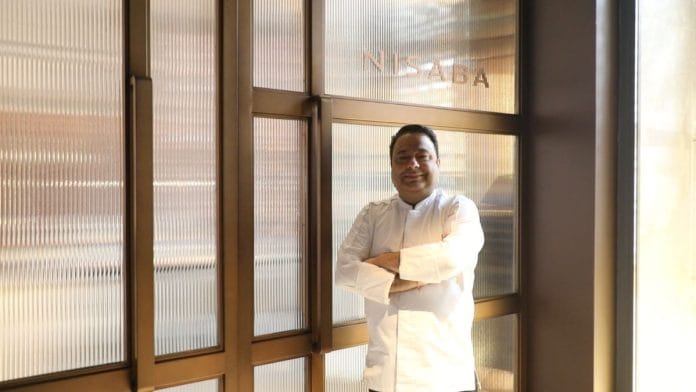



New Delhi: Manish Mehrotra went MIA for a year after parting ways with Indian Accent, a fine dining restaurant in the capital. For someone who had long been the face and mind behind India’s most celebrated fine-dining restaurants, the silence was suspicious. As it turns out, Mehrotra wasn’t missing. He “wanted a break” to write his next chapter—Nisaba.
It’s a casual dining restaurant located just 900 metres from his old hood, Indian Accent, at The Lodhi. After decades of redefining sophisticated, fine-dining Indian cuisine, Mehrotra has returned with something far more relaxed and personal.
“Nisaba is a result of my 33 years in the hospitality industry. Everything I have learned about food and eaten over these 33 years has translated into this menu and in the upcoming ones as well,” Mehrotra told ThePrint.
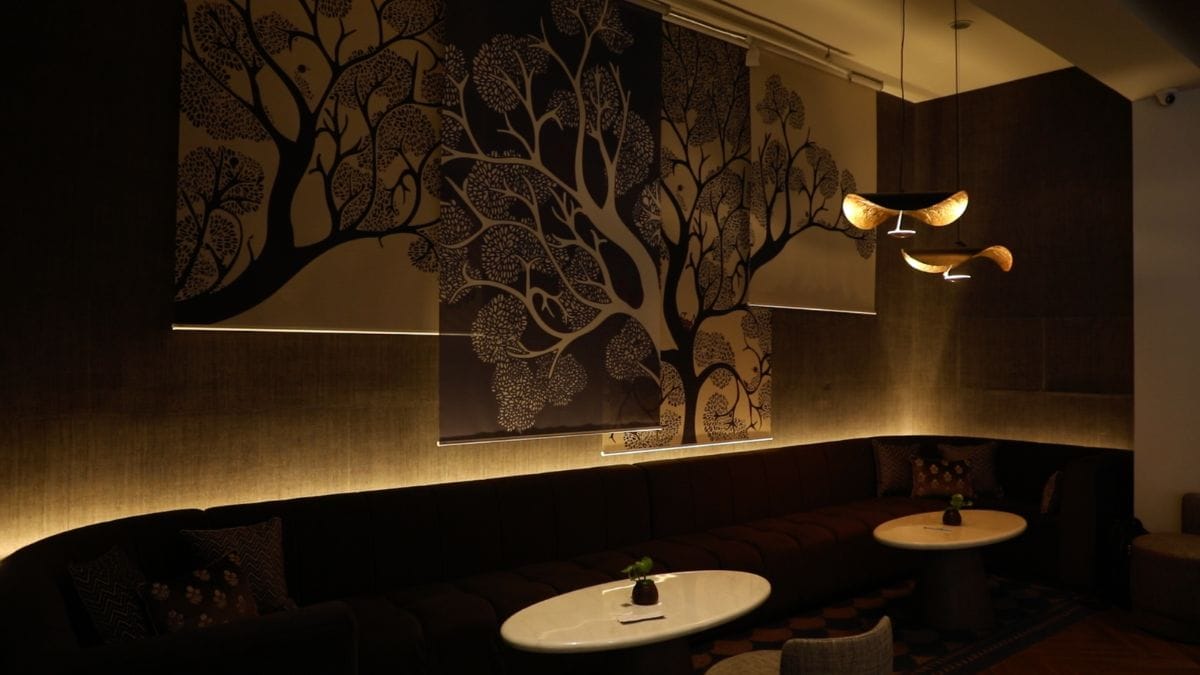
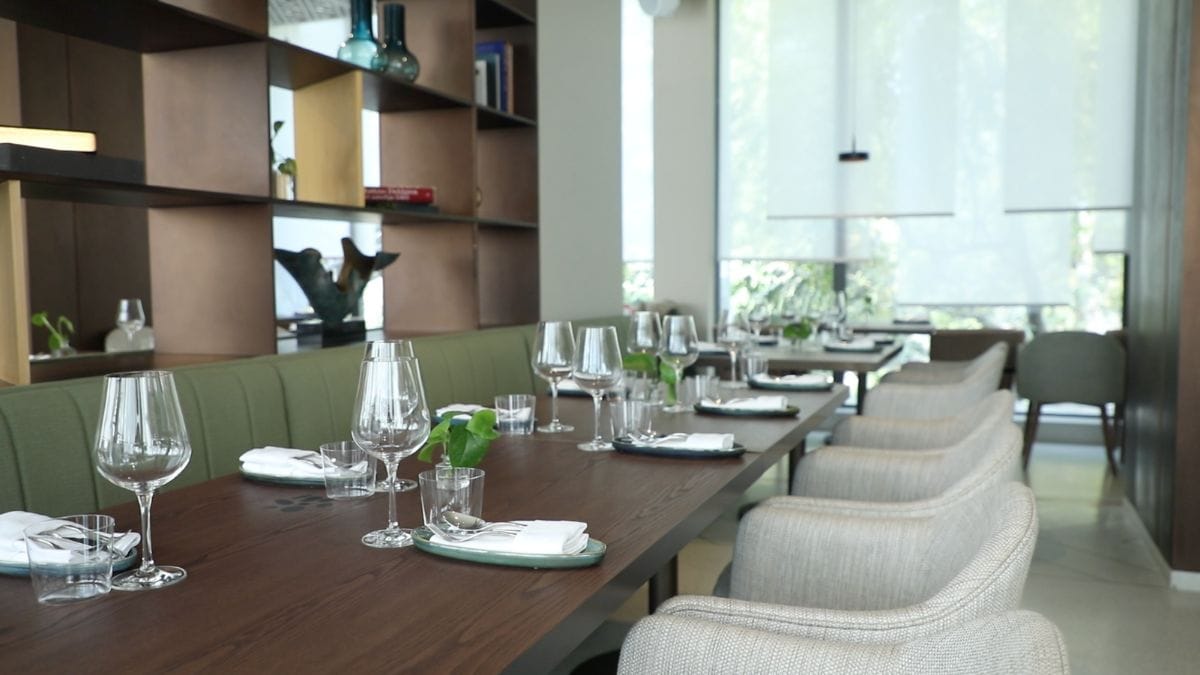
Located inside Delhi’s Humayun’s Tomb Museum complex, Nisaba is bathed in natural light and an easy warmth that also mirrors its food philosophy. Along with founding partners Amit Khanna and Binny Bansal, Mehrotra has created a space where food is inspired by the bylanes of India and reimagined for a contemporary dining room. But without the weight and fuss of fine-dining formality. At Nisaba, which means goddess of grains, the chef has consciously broken up with sophistication. This is Manish Mehrotra 2.0.
Here, the chef brings ingredients and flavours from the bylanes of the country. Regionality is the star. From a samosa paired with dal Moradabadi, hing sourced from Hathras, jawla butter made from dried shrimp in Maharashtra, to bukunu masala from western Uttar Pradesh, all make appearances on the menu.
This shift aligns with a broader culinary movement of looking inward. For the last two-three years, Indian chefs in various capacities have been celebrating indigenous ingredients and regional food dishes.
“India is so rich in regional food, ingredients, and techniques that I don’t think even one restaurant can do justice to it in 50 years,” the chef said.
Talking about the hing from Hathras, Mehrotra called it ‘potent as cocaine’.
“You just sniff it. it’s so strong and beautiful,” he said. Priced at nearly Rs 60,000 per kg, the hing finds its way into dishes like dal and hing kachori at Nisaba.
Forgotten ingredients also get their moment at Nisaba. Chirongi, long overshadowed by trendy imports like hazelnuts, is highlighted here in the baked rasmalai. So is sem ka beej from Farrukhabad, and sattu from Patna.
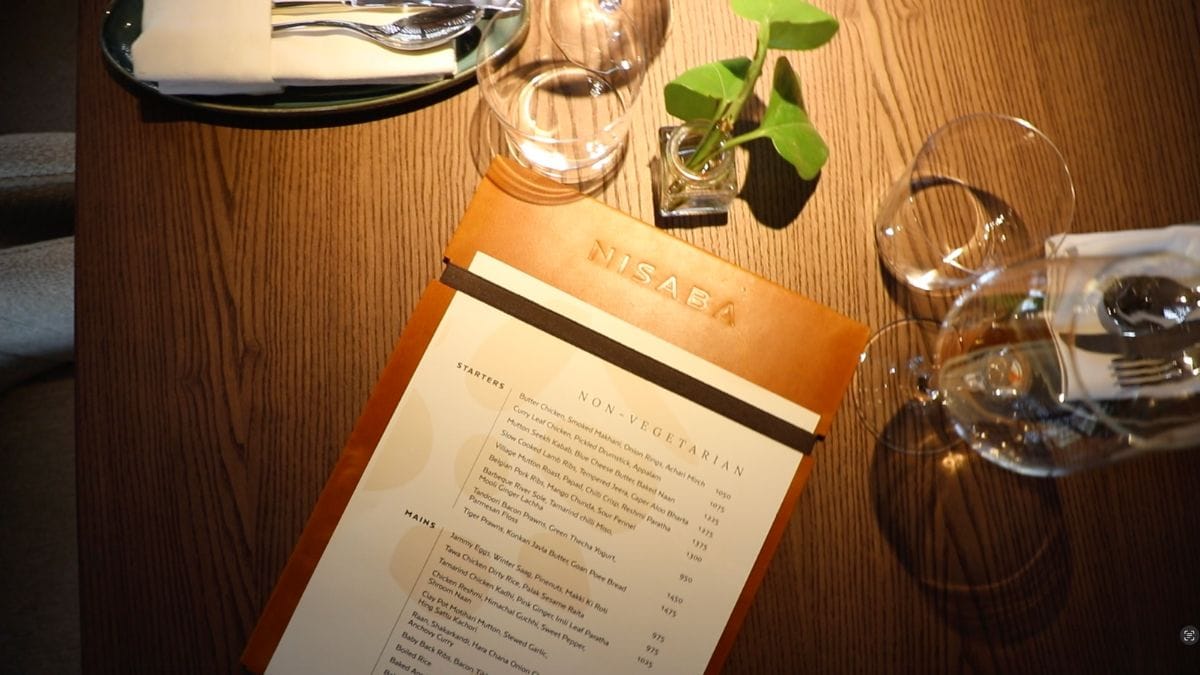
Baked rasmalai, jammy eggs, zaveri bazaar dal
In this new chapter, Mehrotra continues to embrace experimentation, something that has always been a key part of his food DNA. With Nisaba, where the average spend for two is around Rs 5,000, he pushes that spirit of innovation even further. He is getting more adventurous.
“Every chef has their own cooking style and philosophy, which is very different to change. So, my cooking style and the way I mix different components in the dish will remain the same. But new dishes, new innovations will be on the menu,” he said.
The chef describes one of his favorite desserts from the menu, that is a baked rasmalai. On the face of it, it’s regular rasmalai. But, when one takes a bite, there are flavours of rasmalai, rabdi, phirni and misthi dohi all together.
Eggs Florentine, poached eggs and sautéed spinach on a toasted English muffin, topped with a rich hollandaise or mornay sauce, is one of the first things Mehrotra cooked in his early days at the Institute of Hotel Management, Mumbai, in 1993. At Nisaba, he paid an unconventional tribute to it. His reinterpretation includes jammy eggs with winter saag, pinenuts and makke ki roti.
He has also married two biggest guilty pleasures of foodies:, chips and vanilla ice cream.
“Its like potato wafers, we make it in-house with vanilla ice cream, also made in-house, with a little bit of chashni miso. Miso done in a chashni form is drizzled on top. It’s wacky but delicious,” he said.
The Nisaba menu also draws inspiration from iconic culinary institutions. Mumbai’s 130-year-old vegetarian landmark Bhagat Tarachand in Zaveri Bazaar has inspired Mehrotra’s Zaveri Bazaar Dal, Birista, Baby Hing Tadka, and Ajwain Roti. Mehrotra said that he tried it some years ago and always wanted to put on his menu.
Jaiswal Hotel in Motihari is widely regarded as the birthplace of handi-cooked Champaran mutton, a dish that has since travelled across the country. In fact, Mehrotra was the one who introduced it to NCR when he added the dish to the menu at Comorin, Gurugram, a decade ago. At Nisaba, it returns as the robust Clay Pot Motihari Mutton, slow-cooked without tomatoes.
Non-vegetarian food wasn’t eaten at Mehrotra’s home. His father didn’t even eat garlic and onion.
“Eggs we would eat on the terrace, cooked on a different stove and utensils. Even today, we don’t cook non-veg,” said Mehrotra, who initially ventured into hospitality because he didn’t want to run his father’s petrol pump.
Therefore, he paired the mutton with a bread, which is a delicacy in itself: sattu and hing ki kachori.
Mehrotra has even picked some dishes from the streets, be it the samosa with daal moradabadi, from Moradabad, matar ki tikki from Lucknow, and seekh kebab with blue cheese butter inspired by Chandhi Chowk, where a lot of butter is used on seekh.
“Food is designed in such a way that you don’t have to sit for a tasting menu for three hours. Come, forget the world and enjoy,” he says.
Also read: MasterChef India recognises chefs with disability. Hyderabad’s Hussain, Nepal’s Ratna Tamang
Energy of a newcomer
Nisaba arrives as the newest entrant in a restaurant landscape where Delhi NCR is already bursting with new openings almost every week. The competition is intense. And, staying relevant in such a fast-evolving space is a big challenge. When asked if the pressure of staying relevant worries him, Mehrotra admitted the thought has always been at the back of his mind.
“You can’t stop reinventing yourself or learning,” he said. “I constantly keep track of what’s happening, good trends, good dishes. Competition will always exist, but there’s space for everyone.”
Mehrotra also said that India still lacks enough skilled cooks and hopes to see more people join the hospitality industry.
Despite decades of experience, he approaches Nisaba with the hunger and curiosity of a newcomer.
“For any chef, you must know how to eat food, how to cook food, and how to feed good food to people. That’s what drives me.”
Mehrotra has been experimenting with dishes he plans to introduce in the coming season. On the list are water chestnut chakri, inspired by vendors near Jim Corbett. The dish has boiled water chestnuts blended into a hummus-like texture with chutneys and spices.
“And, ganne ke ras ki kheer, a dessert made from sugarcane juice. I have tried it. Its different. I am waiting for the season to change and then I’ll add. Nisaba will be on a seasonal menu,” he added.
(Edited by Ratan Priya)