








New Delhi: After the title of Neeraj Pandey’s upcoming Netflix film Ghooskhor Pandat faced backlash from Brahmins, the filmmaker issued a statement Friday, saying the film does not comment on or represent any caste, religion, or community.
“Our film is a fictional cop drama, and the term ‘Pandat’ is used simply as a colloquial name for a fictional character. The story focuses on an individual’s actions and choices… As a filmmaker, I approach my work with a deep sense of responsibility – to tell stories that are thoughtful and respectful,” wrote Pandey.
The film’s teaser was released on 3 February as part of Netflix’s upcoming slate of content. Within hours, Brahmins started sharing their objections to the title on Instagram.
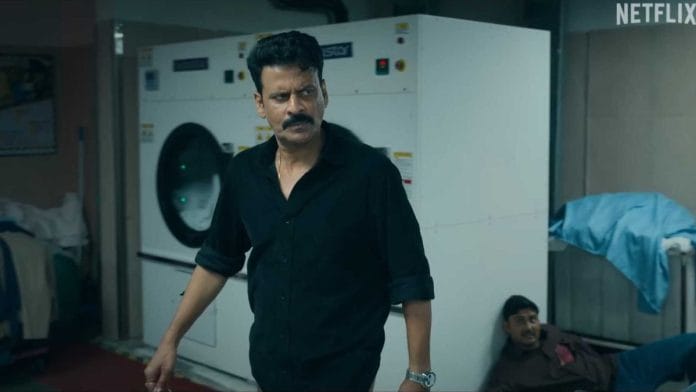
They were upset over the use of “ghooskhor (bribe-taker)” to describe a Brahmin. The film stars Manoj Bajpayee, who plays a cop investigating a crime involving a young woman.
“This film, like my earlier work, has been created with sincere intent and solely to entertain audiences. We understand that the title of the film has caused hurt to some viewers, and we genuinely acknowledge those feelings,” read Pandey’s statement.
Also read: Boong brought Meiteis and Kukis together in Delhi, Bengaluru. ‘Best outcome,’ says director
Plea challenging film release
The teaser features Bajpayee entering the frame as a male voice says: “His name is Ajay Dixit, but he is infamous as Pandat in Delhi Police. He is married but a philanderer. His service record is also very bad.”
A plea has been filed before the Delhi High Court challenging the proposed release of the film. The applicant is Mahender Chaturvedi, who claims to be an acharya by vocation. In the petition, Chaturvedi alleges that the title and promotional material of the film are defamatory, communally offensive, and violative of fundamental rights.
In his statement, Pandey mentioned that the team has decided to pull down all promotions.
“In light of these concerns, we have decided to take down all promotional materials for the time being, as we believe the film should be experienced in its entirety and understood in the context of the story we intended to tell, rather than judged on partial glimpses. We look forward to sharing the film with audiences soon,” his note read.
(Edited by Prasanna Bachchhav)