





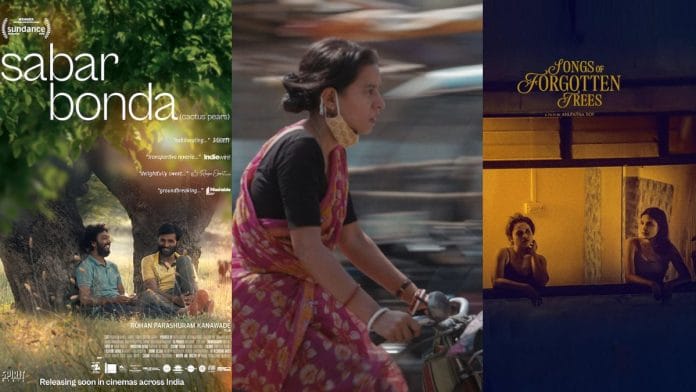



For independent films in India, 2025 was a significant year. From theatrical releases, which are often a distant dream for indie filmmakers, to awards and international recognition, the year marked a milestone in the industry. Debutant directors created masterpieces across languages and regions.
Sabar Bonda (Marathi)
English title: Cactus Pear
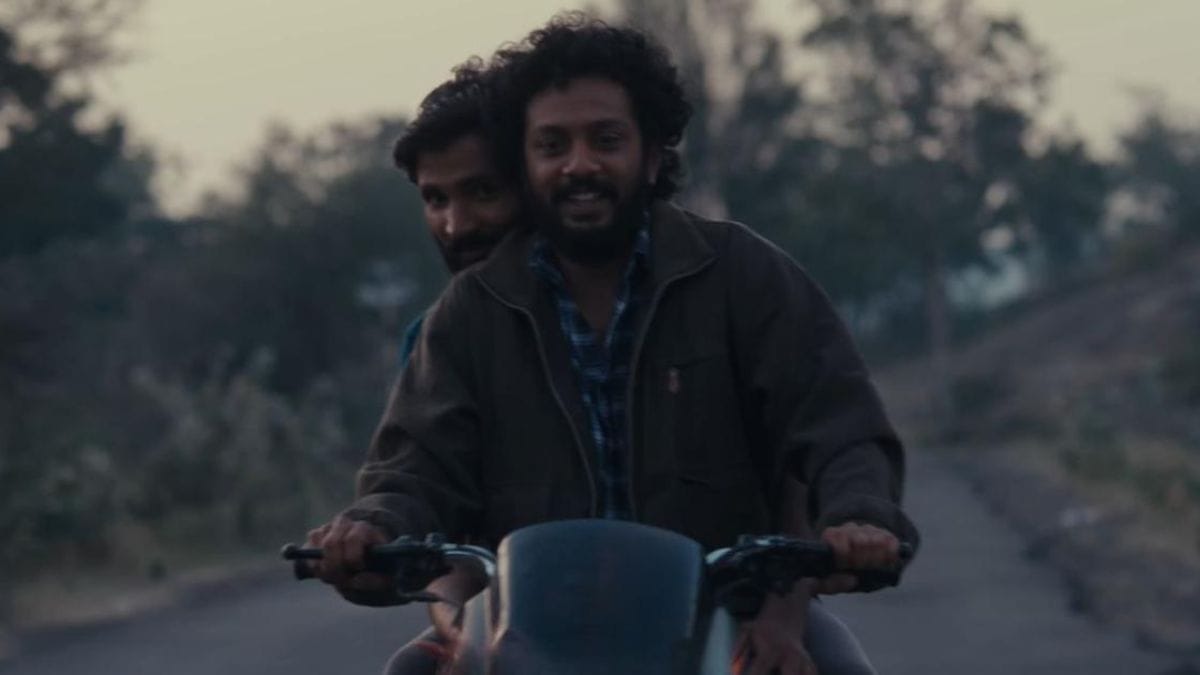
Rohan Kanawade’s film Sabar Bonda asks what it means to be queer in a village. The film answers it through the story of two childhood friends, Anand (Bhushaan Manoj) and Balya (Suraaj Suman). The film, which begins during a funeral, explores the relationship between the two men as they navigate the pressures of being non-conformists in a heteronormative socio-cultural space. The film won the Grand Jury Prize, the highest honour at the Sundance Film Festival 2025.
Humans in the Loop (Hindi, Kurukh)
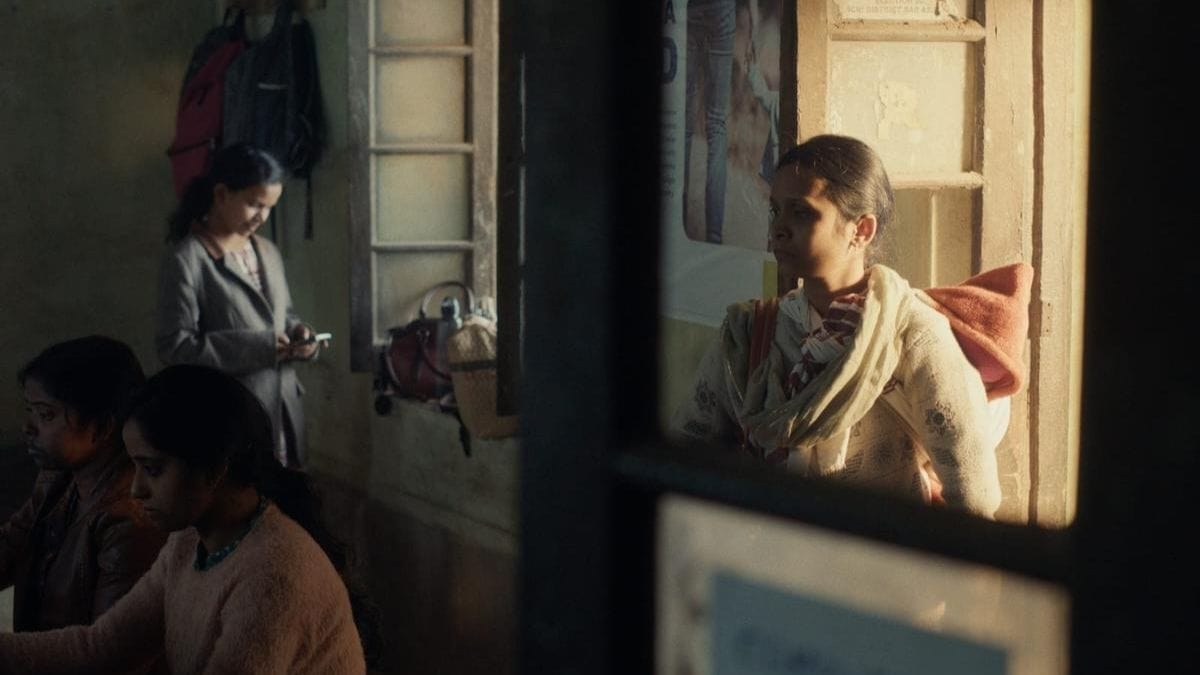
Nehma (Sonal Madhushankar), an adivasi from the Oraon tribe, has moved back to her village after divorce, with her infant son and 12-year-old daughter Dhaanu (Ridhima Singh). Nehma begins working as a data labeller at an AI centre, where she annotates raw footage so that it can be easily understood by foreign clients. Aranya Sahay’s debut film shows how Nehma starts noticing the gap between AI’s prescriptive data collection and her community’s repository of knowledge, especially about nature around town, highlighting what the future entails—a confrontation with technology.
Baksho Bondi (Bengali)
English title: Shadowbox
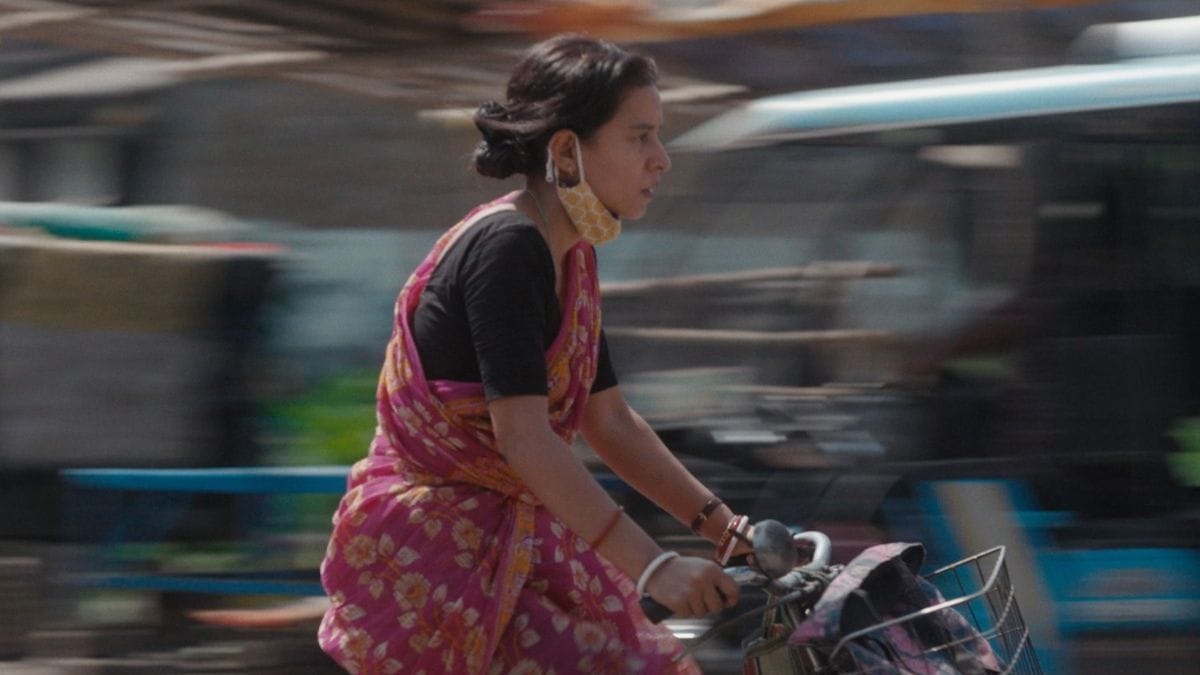
Actor Tillotama Shome, clad in a saree and riding a bicycle, features in the motion poster of the Bengali-language film by filmmakers Tanushree Das and Saumyananda Sahi. Shome plays Maya, a working-class woman who irons clothes and delivers them on her cycle.
Instead of the staccato shots of Victoria Memorial or Howrah Bridge—or other images deemed ‘quintessentially’ Kolkata—the film turns its gaze to Barrackpore, where Maya struggles to live her life with dignity. The crushing reality of her husband’s PTSD, her son’s issues at school, and a persistent lack of means threaten to engulf her existence.
Shome won Best Actor (Female) for her performance in the film, while directors Saumyananda Sahi and Tanushree Das were honoured with the Best Director (International Feature) award at the International Film Festival of South Asia (IFFSA) Toronto.
Village Rockstars 2 (Assamese)
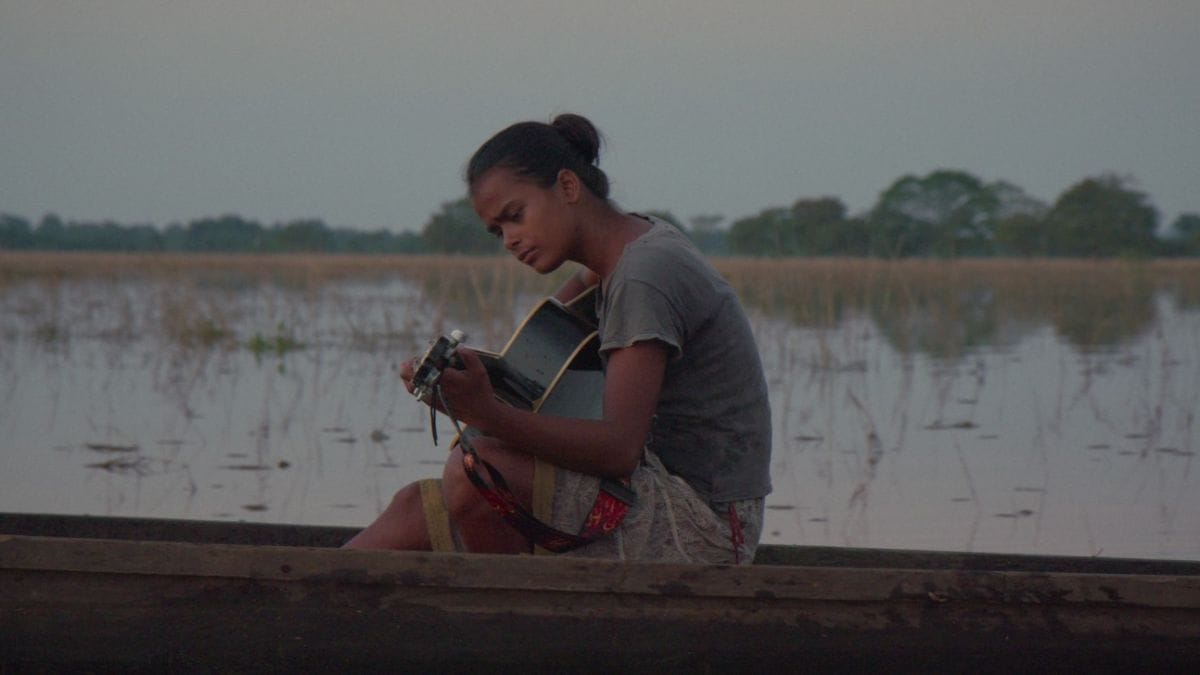
While sequels often fail to recreate the charm of the original, Rima Das’ Village Rockstars 2 is a reassuring exception. The sequel picks up eight years after the first one, when we see a young girl, Dhunu (Bhanita Das), dreaming of owning and playing a real guitar. Her dreams are in stark contrast with the brutal reality of her home—the annual floods of Assam’s Kalardiya. At 17, she gives up and turns her focus on earning money, even as lands are being sold off, and opportunities are scarce in her village. But she never loses her sense of wonderment, and her bond with her mother forms the beating heart of the movie.
Rima Das was named Best Director at the New York Indian Film Festival for the film.
Songs of Forgotten Trees (Hindi)
Anuparna Roy’s debut feature traces the slowly blossoming relationship between a sex worker, Thooya (Naaz Sheikh), and a call centre employee, Swetha (Sumi Baghel). Their bond unfolds largely within a rented apartment in Mumbai. Though similar to Payal Kapadia’s All We Imagine As Light (2024) in spirit, Roy’s film is less about the cityscape and more about the inner worlds of two women. Migrants in the city, the two protagonists share space and allow each other to open up, but they do not always agree with each other’s outlook on life. Yet they resist the world’s intrusion and, to the best of their abilities, carve out lives of their own.
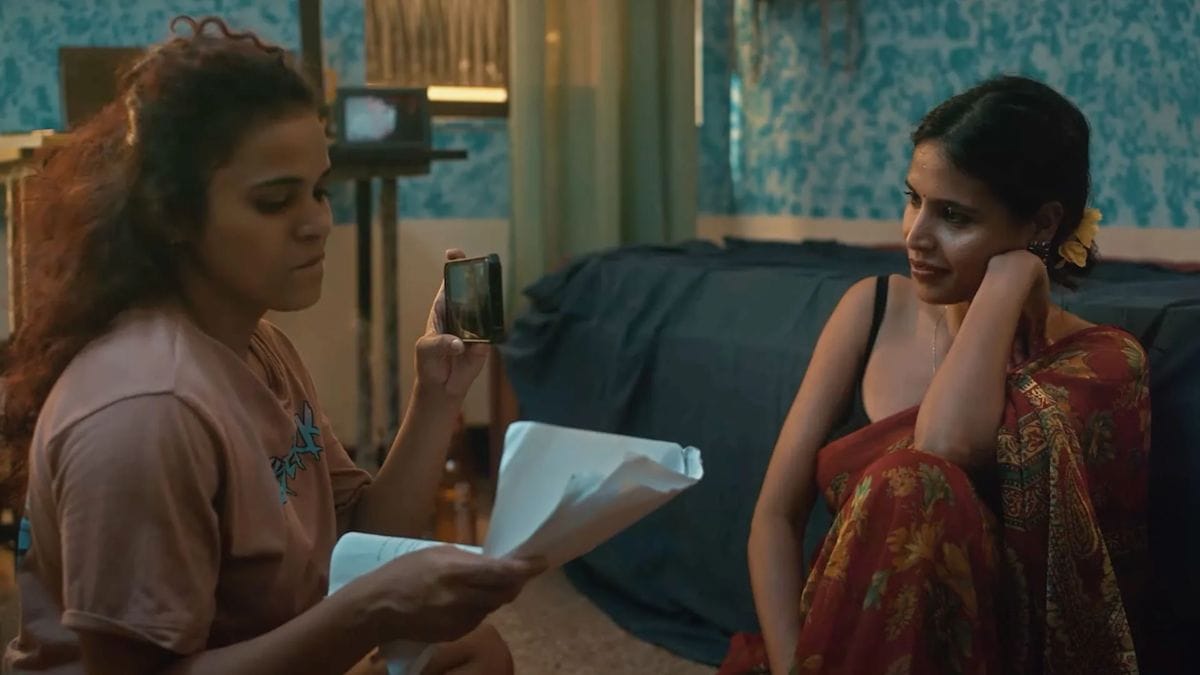
Roy won the Orizzonti Best Director award at the 82nd Venice Film Festival for her film.
Sister Midnight (Hindi)
Karan Kandhari’s debut feature has Radhika Apte playing a housewife who is a ticking time bomb, caught in a dull arranged marriage. Uma (Apte) is a new bride who moves into her husband Gopal’s (Ashok Pathak) cramped home in a Mumbai slum. New to the city, coupled with a distant, awkward husband, loneliness soon envelops Uma, who stops even trying to find solace in domesticity.
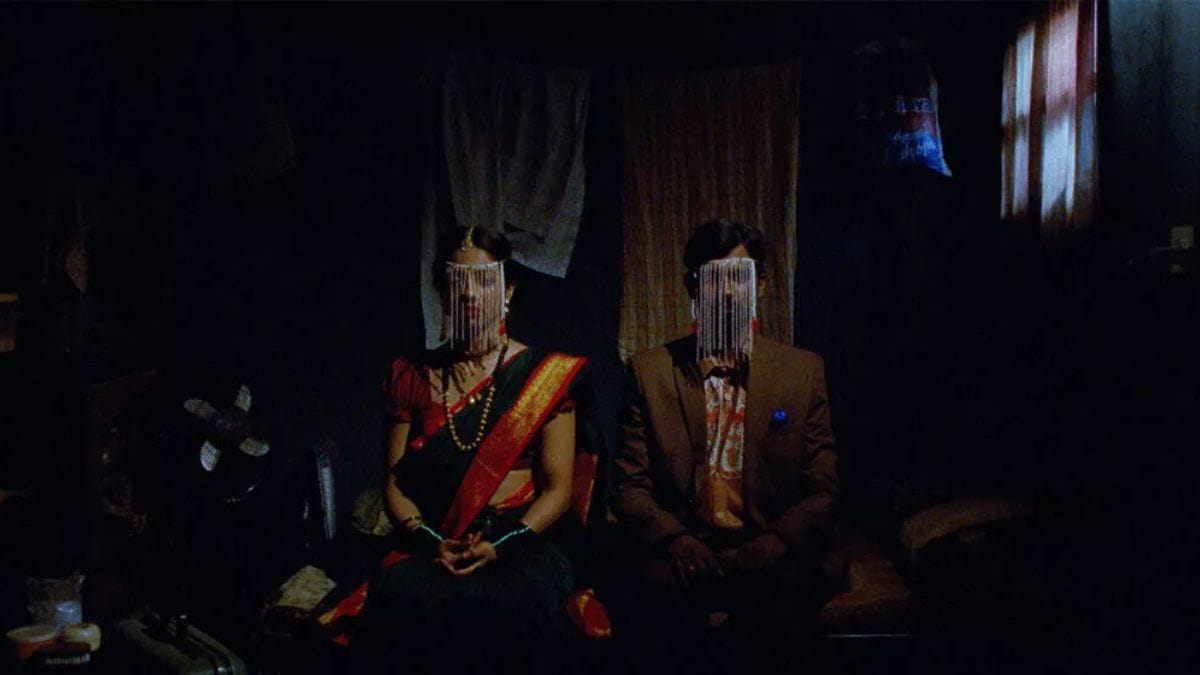
Eventually, boredom pushes her into taking a cleaning job. Then onwards, things start to spiral. She kills a goat and dumps it in a pile of trash. During an attempt at intimacy, her husband dies—and she casually keeps the corpse in the house.
The genre-defying film takes dark comedy to its extreme, along with employing tropes like absurdity and stream of consciousness. Apte delivers a convincing performance as the unpredictable and unhinged housewife, who is slowly losing her grip on reality.
(Edited by Ratan Priya)