








VMPL
New Delhi [India], February 4: Pittari’s first collection sold out in three weeks. Here’s what they figured out that imports didn’t.Walk into any furniture store and the rugs look the same. Beige. Grey. Neutral. Safe.They work. They’re fine. They make your apartment look like everyone else’s apartment.
Pittari’s founder noticed something those brands missed: Indian homes aren’t neutral. Not during Diwali. Not during family visits. Not ever, really.
So why do our rugs have to be?
What Imports Get Wrong
International brands design for apartments in Stockholm. Open floor plans. Massive windows. Rooms that can handle emptiness because space isn’t the problem.
Indian apartments are 900 square feet. Every inch matters. Dark corners need fixing. Small living rooms need to feel bigger than they are.
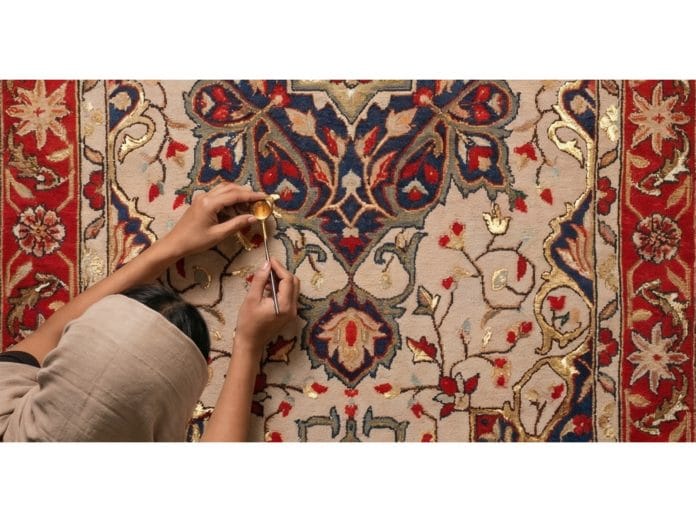
A beige rug doesn’t solve that. Gold does. It reflects light. Makes rooms feel larger. Catches the eye without screaming for attention.
That’s not decoration. That’s solving for space.
The Price Point
Handcrafted rugs with metallic detailing usually cost ₹6,000-₹8,000. Imports, more.
Pittari: ₹2,599.
The difference: direct-to-consumer, no retail markups. Growing up around textile manufacturing meant understanding production costs others don’t see. Knowing where efficiency gains actually happen versus where you’re just cutting quality.
It’s priced like someone who knows what things actually cost to make, not what the market will tolerate.
What Actually Happened
The first collection sold out in three weeks. Marketing helped. But so did something simpler: the product actually worked for the space.
Then something unexpected started happening. Customers posted photos–but not of rugs on floors. They’d hung them on walls. As art. As statement pieces.
“Too beautiful to walk on,” one review said.
That’s not the reaction you get from a beige rug.
Soon, second orders came in. Within 8-10 weeks. Some for floors this time. Some for more walls. Different rooms, same effect.
That doesn’t usually happen in home decor. You buy a rug, you’re done for years.
Unless the rug actually solves something. Makes your small apartment feel less cramped. Looks right on regular Tuesdays and during Diwali without swapping anything out. Works as floor covering or wall art depending on what your space needs.
Then you buy another one.
Where This Goes
International brands have distribution. Brand recognition. Decades of market presence.
Pittari has something different: a product designed for how Indians actually live, not how design magazines think we should.
Small apartments that need to feel bigger. Homes that transform for festivals. Budgets that want quality without the luxury tax. Spaces flexible enough that a rug becomes whatever you need it to be.
Turns out solving for that matters more than brand heritage.
The three-week sellout wasn’t luck. Neither were the wall hangings. It was finally giving people what they’d been looking for and couldn’t find anywhere else.
A rug that understands Indian homes aren’t neutral. And doesn’t pretend to be.
(ADVERTORIAL DISCLAIMER: The above press release has been provided by VMPL. ANI will not be responsible in any way for the content of the same.)
This story is auto-generated from a syndicated feed. ThePrint holds no responsibility for its content.